Overview
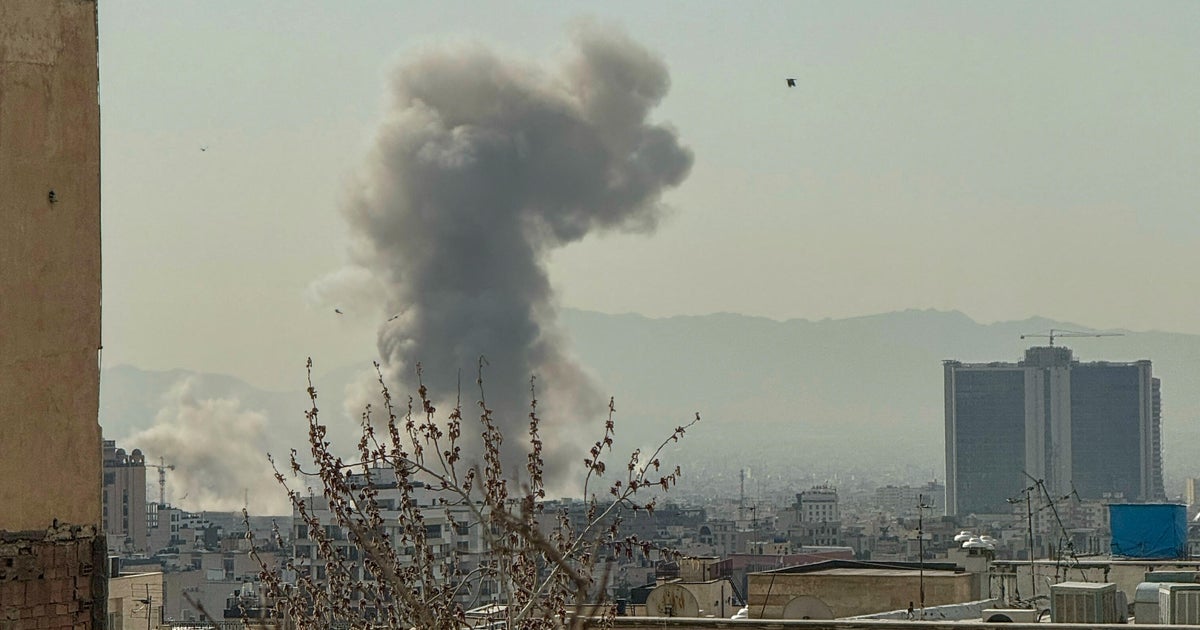
The Iran conflict has generated an unprecedented volume of user-recorded strike footage. Videos showing explosions, missile trails, and aftermath damage are uploaded to social media platforms within minutes of reported strikes, often before any official confirmation. For newsrooms, analysts, and ordinary readers, the challenge is no longer finding footage -- it is determining whether a given video actually shows what it claims to show, from the location it claims, on the date it claims.
This guide provides a practical OSINT (open-source intelligence) workflow for verifying strike videos from the Iran theater. The methods described here are drawn from the same techniques used by Bellingcat, the AP verification desk, and independent geolocation communities on X and Discord. No specialized software is required -- the core tools are Google Earth, reverse image search engines, SunCalc for shadow analysis, and metadata viewers that run in any web browser.
The need for this guide is urgent because misinformation spreads fastest in the first hours after a strike, when emotional intensity is highest and verification infrastructure has not yet caught up. Videos from previous conflicts in Syria, Libya, Gaza, and Yemen are regularly recirculated with new captions claiming they show Iranian targets. AI-generated and AI-enhanced footage is also beginning to appear, adding a new layer of complexity to visual verification.
What We Know
As of February 28, 2026, coverage on verify iran strike videos should prioritize primary documentation and high-credibility reporting. This section focuses on confirmed information and labels uncertainty directly.
- Current reporting on verify iran strike videos should prioritize named institutional sources and date-labeled updates. Bellingcat toolkit
- Technical and legal claims are strongest when primary documents and independent reporting align. C2PA spec 2.2
- Where verification is incomplete, this page labels uncertainty instead of implying certainty. AP live updates (Feb 28, 2026)
- Forward-looking sections are conditional and evidence-based, not predictive claims. IAEA: Iran focus page
- Internal links connect this page to timeline and hub coverage for continuity. ICRC distinction/proportionality explainer
Analysis
The first step in any video verification workflow is provenance tracking: where did this video first appear? A clip shared by a verified journalist's account with a dateline carries more weight than the same clip appearing on an anonymous Telegram channel hours later with a different caption. Reverse image and reverse video search tools -- including Google Lens, TinEye, and InVID -- can trace a video back to its earliest known upload. If the earliest instance predates the claimed event, the video is recycled footage. This single check eliminates a substantial portion of viral misinformation.
Geolocation is the second critical step. Iran's cities have distinctive architectural features -- the Azadi Tower complex in Tehran, the Khaju Bridge in Isfahan, the Quran Gate in Shiraz -- that can be matched against Google Earth and Google Street View imagery. Even in less recognizable areas, terrain features like mountain ridgelines, highway interchange patterns, and mosque minaret styles can narrow a location to a specific neighborhood. SunCalc allows analysts to check whether shadow angles in the footage are consistent with the claimed time and date at that geographic coordinate, providing an independent timestamp verification.
Audio analysis is an underused but valuable verification layer. The delay between a visible flash and the arrival of the sound wave can be used to estimate distance from the explosion. Distinct weapon signatures -- the sustained roar of a cruise missile versus the sharp crack of a ballistic warhead impact -- can help identify munition types when matched against known acoustic profiles. Iranian air defense siren patterns also vary by city and can confirm or contradict a claimed location.
The emerging challenge is AI-manipulated footage. Generative video tools can now produce convincing explosion sequences, and simpler editing tools can alter timestamps, overlay fake location watermarks, or composite real buildings into fabricated strike scenes. The C2PA content authenticity standard, which embeds cryptographic provenance data into media files, is being adopted by some news organizations but is not yet widespread enough to serve as a reliable filter. Until adoption increases, analysts should treat any video lacking a clear chain of custody with heightened skepticism, particularly if it appears too cinematic or too perfectly framed to be a spontaneous civilian recording.
What's Next
The video verification landscape for this conflict is evolving rapidly. Several near-term developments will shape the tools and techniques available to analysts.
- Bellingcat and the AP have announced a joint geolocation database for confirmed Iranian strike sites, which will provide reference imagery that analysts can match against new footage claims. Bellingcat toolkit
- The C2PA standard is expected to see wider adoption by major platforms in spring 2026, which would allow videos with embedded provenance data to be distinguished from those without any chain of custody. C2PA spec 2.2
- Iran's internet shutdowns in strike-affected provinces are being partially circumvented by satellite internet devices, which may increase the volume of first-person footage but also create new vectors for manipulated uploads that bypass normal platform moderation. AP live updates (Feb 28, 2026)
- AI detection tools specifically trained on conflict footage are under development by several research labs, but none have been publicly released or independently audited for reliability in this theater. IAEA: Iran focus page
Why It Matters
Unverified strike videos have already had measurable real-world consequences in this conflict. A widely shared clip in January 2026 that purported to show a hospital strike in Shiraz triggered emergency UN Security Council consultations before the video was traced to a 2019 gas explosion in Beirut. The diplomatic hours spent on a debunked video represent resources diverted from responding to actual events. When fabricated or misattributed footage drives policy responses, the verification failure becomes a strategic tool for the parties producing it.
For individual readers, the ability to perform even basic verification checks serves as a defense against emotional manipulation. Conflict footage is designed to provoke -- that is its function whether it is authentic or fabricated. The difference is that authentic footage documents reality and can inform constructive responses, while fabricated footage exploits empathy for strategic purposes. A reader who can distinguish between the two is less susceptible to influence operations and better positioned to support accountability efforts.
At the institutional level, the Iran conflict is accelerating the development of content authenticity infrastructure that will shape how all visual media is produced and consumed for years to come. The verification challenges emerging now -- AI-generated footage, platform metadata stripping, cross-conflict footage recycling -- are not unique to this theater. The tools and habits developed to address them will define the reliability of visual journalism globally.
Related Coverage
- How to Read Casualty Claims in Fast-Moving Conflicts
- Displacement Risks After Iran-Israel Escalation
- Iran Strikes Tonight: What Officials Have Confirmed
- US Strikes Iran: Full Timeline, Targets, and Global Impact
- Iran Conflict: Evidence-Based Scenarios for the Next 30 Days
Research Hubs
- Iran-Israel-Dubai War Guide
- Iran Nuclear and Military Briefing
- Israel Security and Escalation Briefing
- Dubai and UAE Risk Briefing
- Source Center: Primary References
Sources
- Bellingcat toolkit. bellingcat.gitbook.io/toolkit
- C2PA spec 2.2. spec.c2pa.org/specifications/specifications/2.2/specs/C2PA_Specification
- AP live updates (Feb 28, 2026). apnews.com/article/8de8054f3abd4688f894c657467ee3dd
- IAEA: Iran focus page. www.iaea.org/newscenter/focus/iran
- ICRC distinction/proportionality explainer. www.icrc.org/en/document/principles-international-humanitarian-law-distinction-proportionality-have-direct-bearing