
Why Did Israel Attack Iran? The Short Answer
Why did Israel attack Iran? The question dominated global headlines on the morning of February 28, 2026, as explosions rocked Tehran and smoke rose over the Iranian capital. The short answer involves a convergence of factors: Iran's rapidly advancing nuclear program, months of failed diplomatic negotiations, an expanding ballistic missile arsenal that Israeli leaders called an "existential threat," and a political window created by the Trump administration's willingness to use military force. (Al Jazeera)
Israeli Defense Minister Israel Katz formally announced the strikes as a "preemptive attack" intended to "remove threats to the State of Israel." Prime Minister Benjamin Netanyahu praised what he called "historic leadership" from President Trump and framed the operation as necessary to eliminate an existential danger. (Times of Israel)
But to truly understand why Israel attacked Iran, you need to examine each factor in depth — from the uranium enrichment crisis to the collapse of nuclear talks to the broader geopolitical calculus that made February 2026 the moment both Israel and the United States decided diplomacy had run its course.
Iran's Nuclear Program: The Core Threat
At the heart of why Israel attacked Iran lies Tehran's nuclear program. Israeli security chiefs had assessed for years that Iran's nuclear weapons program was advancing toward a point of no return — a threshold beyond which the Islamic Republic could produce a nuclear weapon faster than the international community could detect and respond. (Times of Israel)
By early 2026, Netanyahu stated publicly that Iran possessed "enough enriched uranium for nine nuclear weapons." He warned that "if we don't act now, there will not be another generation" — framing the situation in starkly existential terms. The IDF's Chief of Staff, General Zamir, declared the operation was "an immediate operational necessity" required to "remove the strategic threat and ensure our future." (Times of Israel)
Key nuclear developments that accelerated the path to war included:
- Uranium enrichment acceleration — Iran significantly expanded its enrichment operations at multiple facilities, including the deeply buried Fordow site near Qom
- IAEA violations — On June 12, 2025, the International Atomic Energy Agency declared Iran was violating its non-proliferation obligations for the first time in twenty years
- Weaponization activities — Netanyahu stated Iran had been taking unprecedented steps toward building a nuclear weapon, moving beyond civilian enrichment into weapons-grade territory
- Insufficient enriched uranium stockpile controls — Approximately 400 kilograms of enriched uranium remained distributed across Iran's facility network, and intelligence indicated Iran had relocated most stockpiles before anticipated strikes (CFR)
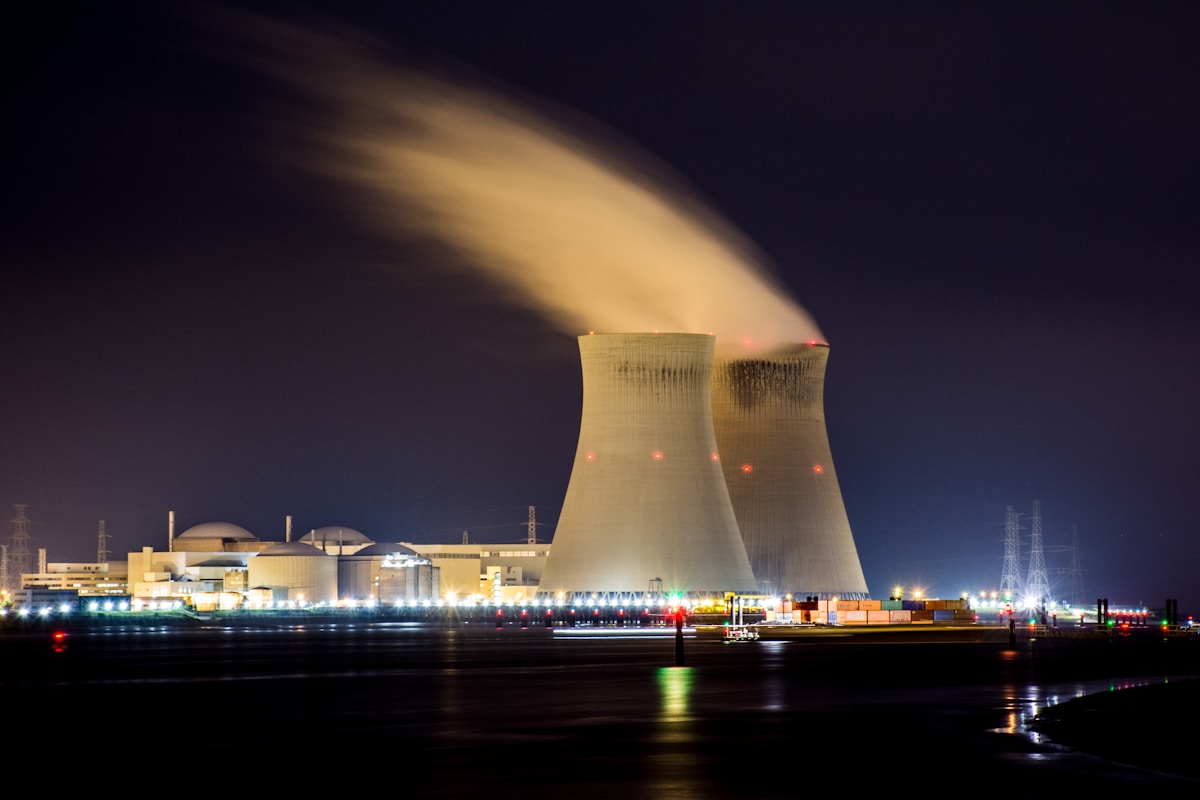
The nuclear program was not a new concern. Israel had been tracking Iran's nuclear ambitions for decades, but what changed in 2025-2026 was the speed at which Iran was enriching uranium and the intelligence community's assessment that Iran was approaching "breakout capability" — the ability to produce enough weapons-grade material for a bomb in a matter of weeks rather than months. (CSIS)
Failed Diplomacy: The Negotiations That Collapsed
Understanding why Israel attacked Iran also requires examining the diplomatic collapse that preceded the strikes. The US and European allies presented Iran with three core demands: a permanent end to all uranium enrichment, strict limits on Iran's ballistic missile program, and a complete halt to support for regional proxy groups such as Hamas, Hezbollah, and the Houthis. (Washington Post)
The timeline of failed negotiations is critical to understanding why the attack happened when it did:
The US and Iran begin indirect nuclear negotiations in Oman's capital, Muscat. Talks are described as "exploratory" but mark the first direct engagement in months.
At the inaugural meeting of Trump's "Board of Peace," the president gives Iran approximately "10 days to make a deal ending its nuclear program, or bad things will happen."
Two additional rounds of talks in Switzerland. The US demands Iran destroy the Fordow, Natanz, and Isfahan facilities and surrender all enriched uranium. Trump tells reporters he is "not happy" with progress, saying Iran was "not willing to give us what we have to have." (Washington Post)
Talks conclude. A mediator tells the Washington Post that a nuclear deal was "close," but Trump was already moving toward military action. According to an Israeli defense official, the attack had been "planned for months with the launch date decided weeks prior." (Al Jazeera)
Strikes begin. Mehran Kamrava, professor at Georgetown University and the Arab Center for Research and Policy Studies, argues Israel "appears to have launched an attack designed to derail the negotiations." (Al Jazeera)
The timing was controversial. Trump himself stated that Iran "rejected every opportunity to renounce their nuclear ambitions" and that the US had "sought repeatedly to make a deal." But analysts like Kamrava suggested the strikes were planned regardless of diplomatic outcomes — meaning the negotiations may have been as much about political cover as genuine diplomacy. (NPR)
The "Preemptive Strike" Justification
Israel officially classified its attack on Iran as a "preemptive" operation — a critical legal and strategic distinction. Defense Minister Israel Katz characterized the strikes as "preemptive action aimed at neutralizing threats against Israel," warning that "a missile and drone attack against the State of Israel and its civilian population is expected in the immediate future." (NPR)
The preemptive framing served multiple purposes in explaining why Israel attacked Iran:
- Legal justification — Under international law, preemptive self-defense is permissible when a state faces an imminent threat. Israel argued Iran's nuclear and missile programs constituted such a threat.
- Domestic consensus — Framing the attack as defensive rather than offensive helped consolidate Israeli public support. Air raid sirens sounded across Israel at approximately 8:15 AM local time, and a 48-hour nationwide state of emergency was declared. (NPR)
- Alliance coordination — The preemptive framing aligned with Trump's messaging. The U.S. president stated the objective was "to defend the American people by eliminating imminent threats from the Iranian regime."
Israel's security establishment assessed this as the optimal moment for a preemptive strike — before Iran rebuilt the air defenses destroyed in Israel's attack in October 2024, and while intelligence on the Iranian program was regarded as accurate. The IDF judged that waiting would only increase the risk. (Times of Israel)
Iran's Ballistic Missile Buildup
Beyond the nuclear program, Iran's dramatically expanding ballistic missile capability was a major factor in why Israel attacked Iran. Netanyahu explicitly referenced the missile threat, arguing that Iran's missiles "would themselves constitute an existential danger, capable of overwhelming Israel's military defenses." (Times of Israel)
Trump echoed this concern in his address to the nation, stating that Iran "attempted to rebuild their nuclear program and to continue developing the long range missiles that can now threaten our very good friends and allies in Europe, our troops stationed overseas and could soon reach the American homeland." He declared the U.S. would "destroy their missiles and raze their missile industry to the ground." (NPR)
The missile dimension was significant because even without nuclear warheads, Iran's conventional ballistic missiles could inflict massive damage on Israeli population centers, military bases, and critical infrastructure. Iran had already demonstrated this capability directly — launching barrages at Israel during previous escalations in 2024 and 2025 — showing it was both willing and capable of striking Israeli territory. The combination of an advancing nuclear program and a proven missile delivery system created what Israeli planners viewed as an unacceptable strategic threat.
The Role of the United States
Why did Israel attack Iran when it did? A critical factor was U.S. involvement. The operation was not a unilateral Israeli strike — it was a coordinated joint U.S.-Israeli campaign. President Trump confirmed in a video posted to Truth Social: "A short time ago, the United States military began major combat operations in Iran. Our objective is to defend the American people by eliminating imminent threats from the Iranian regime." (NPR)
U.S. military involvement was not minor. According to officials, the operation involved:
- 125 aircraft including specialized B-2 stealth bombers
- 30,000-pound GBU-57 bunker-buster bombs — weapons only the U.S. possesses, designed specifically for deeply buried targets like Fordow
- Tomahawk cruise missiles launched from Navy ships and an Ohio-class submarine in the Gulf of Oman
- Multiple carrier strike groups in the Persian Gulf and Arabian Sea
(CFR)
The U.S. role was essential for a practical reason: Israel lacked the military capability to destroy Iran's most deeply buried nuclear facilities on its own. The Fordow enrichment plant, buried approximately 260 feet below rock and soil, could only be reached by the massive American bunker-buster ordnance. Without U.S. participation, any Israeli strike would have been significantly less effective. (CFR)
Trump went further than military objectives, issuing a message directly to Iranian civilians: "Your hour of freedom is at hand... when we are finished, take over your government, it will be yours to take." He also directed a warning at the IRGC: "Lay down your arms... or you will face certain death." — language suggesting regime change was at least a secondary objective. (NPR)
Previous Strikes: The June 2025 Precedent
The February 2026 attack did not happen in a vacuum. Israel had already struck Iran's nuclear facilities in June 2025 — an operation that set the stage for the larger campaign that followed and is essential context for understanding why Israel attacked Iran again.
On June 13, 2025, Israel launched its first direct strikes on Iran's nuclear facilities, followed by the U.S. joining the campaign on June 21 under Operation Midnight Hammer. Key facts from the June 2025 strikes:
- The IAEA assessed that subterranean enrichment halls at Natanz were "severely damaged if not destroyed altogether" and reported "radiological and chemical contamination" inside the facility (CFR)
- At Fordow, U.S. B-2 bombers dropped bunker-busters creating six large craters, though Iran maintained the underground complex "suffered no irreversible damage"
- At Isfahan, more than two dozen Tomahawk cruise missiles were deployed, destroying at least four buildings, though nuclear fuel stockpiles appeared spared
- Over 600 people were killed according to Iran's health ministry, with thousands more injured
- Israel eliminated at least ten Iranian nuclear scientists, including the former head of the Atomic Energy Organization of Iran
Critically, a classified U.S. Defense Intelligence Agency report concluded the June 2025 bombing campaign set back Iran's nuclear development by less than six months — far less than the "complete and total obliteration" Trump initially claimed. This assessment likely contributed to the decision to strike again in February 2026. (CFR)
Iran retaliated after the June strikes with missile attacks that killed 28 people in Israel, demonstrating that military action carried real consequences. But Israeli leaders concluded that the cost of inaction — allowing Iran to rebuild and potentially achieve nuclear breakout — was far greater than the cost of renewed conflict.
Iranian Protests and Internal Instability
Another factor in understanding why Israel attacked Iran involves Iran's internal political situation. Beginning in December 2025, nationwide anti-regime protests erupted across Iran, triggered by economic crisis, the collapse of the rial, and rising prices. The protests — which included calls for regime change — became the largest in scale since the 1979 revolution, spreading to over 100 cities across the country.
This internal instability created a strategic window that Israeli and American planners recognized. A regime under domestic pressure was seen as potentially less capable of mounting a coordinated defense or effective retaliation. Trump's statement directly addressing the Iranian people — "your hour of freedom is at hand" — explicitly linked the military operation to the protest movement, suggesting the strikes were partly intended to catalyze regime change from within. (NPR)
The protest movement also undercut Iran's narrative of domestic unity against external threats. Previous military confrontations had rallied the Iranian public around the government, but by late 2025, many Iranians were openly critical of the regime's military spending and nuclear ambitions while basic economic conditions deteriorated.
Targets Hit in the February 2026 Strikes
The scope of targets attacked on February 28, 2026, reveals the full extent of Israeli and American objectives — and provides further insight into why Israel attacked Iran. The operation was not limited to nuclear facilities; it encompassed military, government, and intelligence infrastructure across multiple cities:
Tehran
- Missiles struck University Street and the Jomhouri area
- Strikes reported in the northern Seyyed Khandan area
- Areas near Supreme Leader Ayatollah Ali Khamenei's offices were targeted (Khamenei had been transferred to a secure location)
- Ministry of Intelligence, Ministry of Defence, and AEOI headquarters hit
- The Parchin military complex — suspected of nuclear weapons-related testing
- Cell phone communications were disrupted across multiple Tehran areas
Other Confirmed Strike Locations
- Isfahan — Nuclear conversion and storage facilities
- Qom (Fordow) — Deeply buried enrichment facility
- Karaj — Centrifuge manufacturing facilities
- Bushehr — Nuclear power plant
- Ilam — Western border military positions
- Kermanshah, Tabriz, Hamedan — Military installations
The breadth of the target list — hitting government buildings, intelligence centers, and IRGC infrastructure in addition to nuclear sites — suggests the operation's goals extended well beyond nuclear nonproliferation, reinforcing the dual objectives of nuclear disarmament and weakening the Iranian state apparatus.

International Reactions and Fallout
The international response to why Israel attacked Iran has been sharply divided:
Regional Responses
- Iraq closed its national airspace immediately after strikes began
- Qatar — The U.S. embassy implemented shelter-in-place orders for all personnel
- Israel — Air raid sirens sounded across the country, airspace closed to civilian flights, state of emergency declared, air defense systems activated
Iranian Retaliation
Iran's Revolutionary Guards launched what they described as a "first large-scale wave of retaliatory missile and drone strikes towards Israel." Iranian officials, via Reuters, described the planned retaliation as "crushing." Meanwhile, Iran imposed a near-total internet blackout, with national connectivity dropping to 4% of ordinary levels. (Al Jazeera)
Expert Analysis
CFR nuclear security expert Erin Dumbacher warned the campaign could "undermine nonproliferation frameworks" by demonstrating that transparency about nuclear programs provides no protection against military action from permanent Security Council members. CFR Middle East expert Steven Cook cautioned: "We are at the precipice of potentially a conflict with Iran" that could escalate far beyond the current operation. (CFR)
Iran's Supreme Leader condemned the strikes as a "barbaric violation" of international law and reserved "all options" for retaliation — raising concerns about asymmetric responses including terrorist activities, cyberattacks, or closure of the strategically critical Strait of Hormuz through which roughly 20% of global oil passes.
Open-Source Narrative Signals
Public discussion on social platforms can help identify which claims are spreading fastest, but these channels are not treated as primary evidence in this report.
Across major public forums, narrative clusters have centered on legal justification, nuclear breakout risk, escalation probability, and energy-market fallout. We use this sentiment as context only, and rely on official statements, primary documents, and high-trust reporting for factual claims.
What Happens Next
Understanding why Israel attacked Iran is only the beginning. The consequences of the February 28, 2026, strikes are still unfolding:
- Iranian retaliation — The IRGC has launched retaliatory missile and drone strikes toward Israel. The scale and effectiveness of Iran's response will determine the next phase of the conflict.
- Escalation risk — Security experts fear Iran's reduced conventional military capability (damaged by previous strikes) could push Tehran toward unconventional retaliation: terrorist operations, cyberattacks on Western infrastructure, or attempts to close the Strait of Hormuz. (CFR)
- Nuclear program recovery — The June 2025 strikes only set Iran's program back by months. Whether the February 2026 operation achieves more lasting damage remains to be seen. Roughly 400 kg of enriched uranium remains distributed across Iran's facility network.
- Oil market shock — Prices surged 15% in overnight trading. A sustained conflict could push oil well above $100/barrel, with global economic consequences.
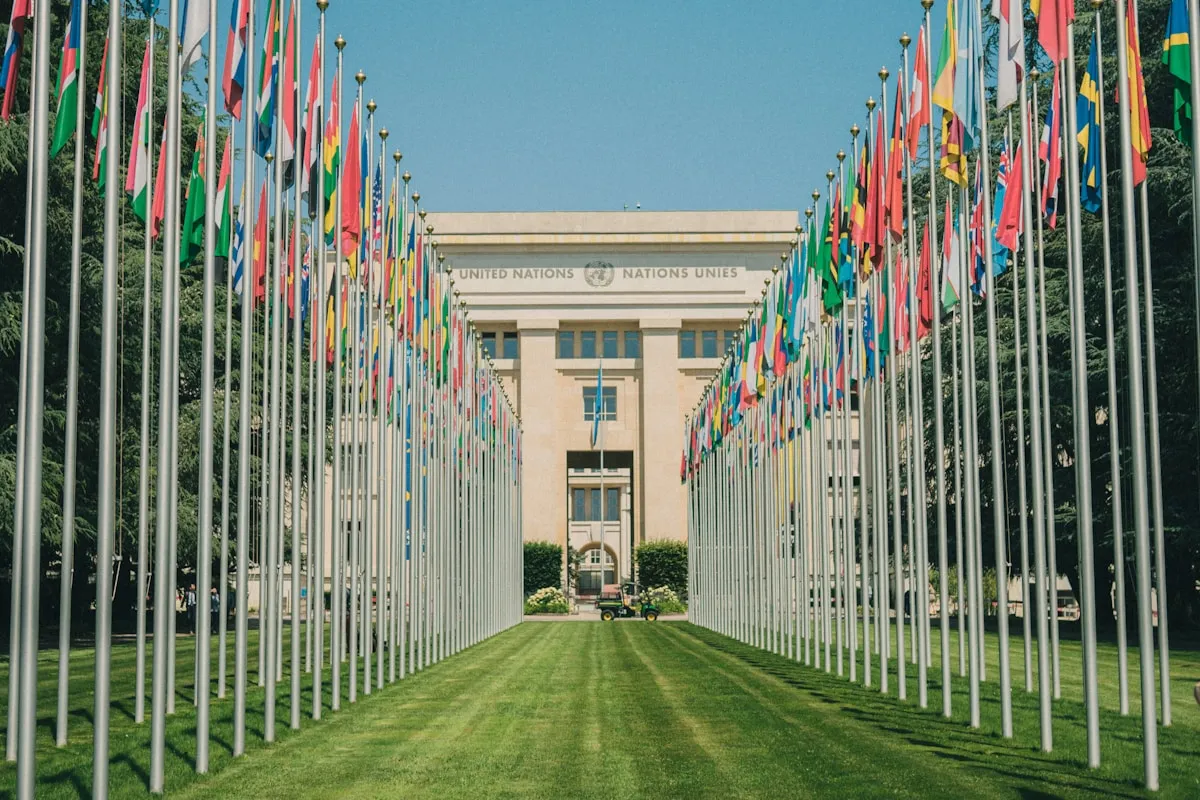
- Diplomatic aftermath — An emergency UN Security Council session has been called. The nonproliferation framework itself may be weakened by the precedent of striking a country's declared nuclear facilities.
- Regime stability — Whether Iran's internal protest movement gains momentum from the strikes or rallies behind the government remains an open question with enormous implications.
The question of why Israel attacked Iran will be debated for years. What is clear is that the decision resulted from a convergence of nuclear proliferation fears, diplomatic failure, military capability windows, and political will that aligned in February 2026 to produce the largest military operation in the Middle East since the 2003 Iraq invasion.
Related Coverage
- Iran Conflict: Evidence-Based Scenarios for the Next 30 Days
- Regional Proxy Escalation Routes After Iran Strikes
- Iran-Linked Cyber Risk: Critical Infrastructure Checklist
- Does Iran Have Nuclear Weapons? What the Evidence Shows
- US Strikes Iran: Full Timeline, Targets, and Global Impact
Research Hubs
- Iran-Israel-Dubai War Guide
- Israel Security and Escalation Briefing
- Iran Nuclear and Military Briefing
- Source Center: Primary References
Sources
- International Atomic Energy Agency, Iran focus page. iaea.org
- United Nations Charter (Article 51 reference text). un.org
- UN Security Council updates and official records. un.org/securitycouncil
- UN Security Council Resolution 2231 (Iran nuclear framework context). un.org/securitycouncil
- Israel Prime Minister's Office official portal. gov.il
- Israel Ministry of Defense official portal. gov.il
- U.S. Department of State, Iran country page. state.gov
- Council on Foreign Relations analysis archive on Iran conflict and nuclear risk. cfr.org
- Center for Strategic and International Studies, Iran and regional security analysis. csis.org
- Reuters Middle East coverage tracker. reuters.com/world/middle-east
- Associated Press Middle East topic page. apnews.com/hub/middle-east
- BBC Middle East coverage index. bbc.com/news/world/middle_east