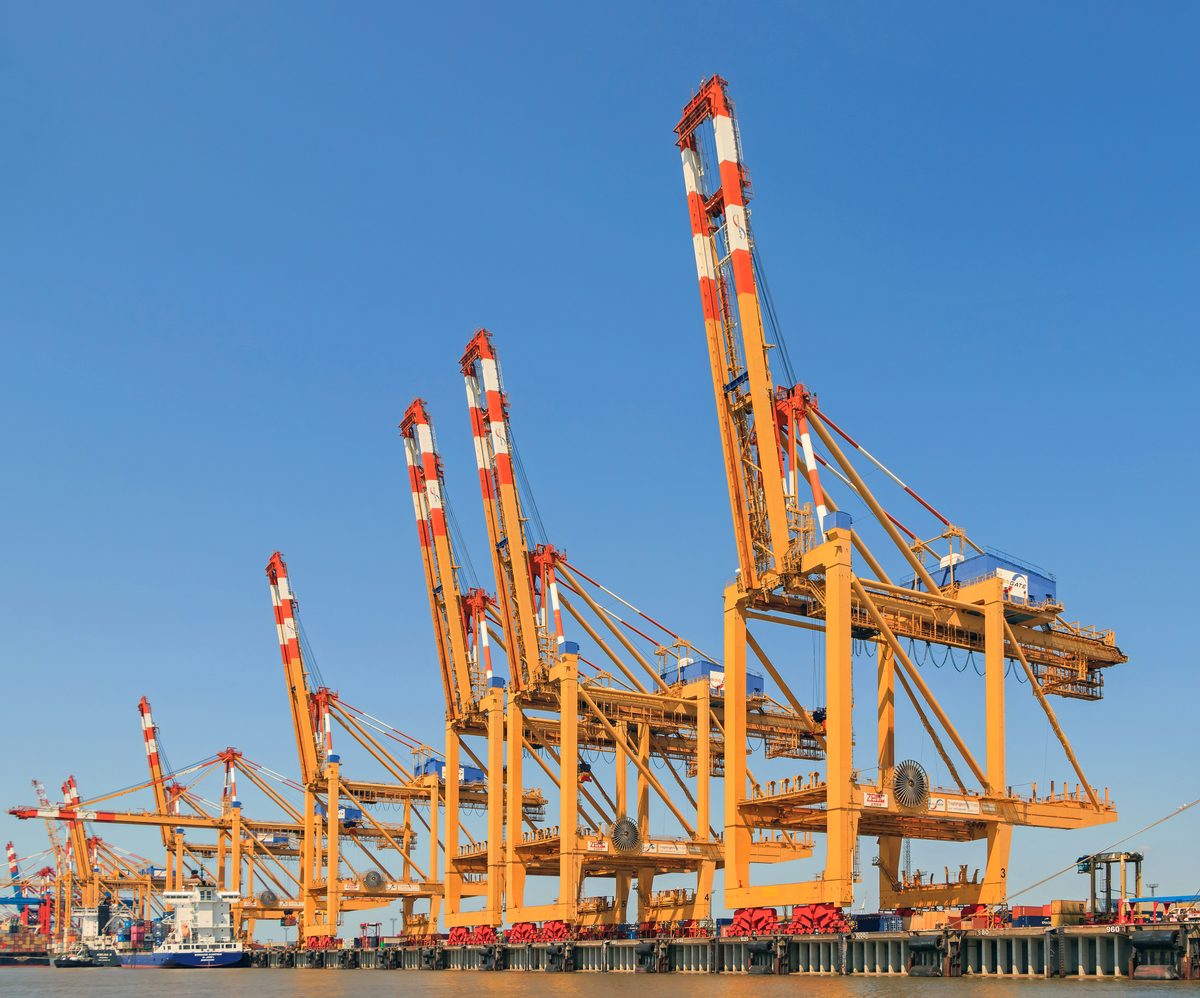
What are demurrage and detention charges?
Demurrage and detention charges are delay-based fees applied to container flows after free time expires, and the distinction matters because each fee points to a different operational failure. Demurrage is charged when loaded containers remain inside a terminal too long. Detention is charged when containers or chassis remain outside the terminal too long before being returned. In escalation periods tied to Gulf route disruption, both fees can rise in parallel because vessel bunching, customs delay, and truck appointment scarcity happen at the same time.
Many finance teams still treat these charges as a minor post-shipment nuisance. That framing is outdated. In lanes exposed to route volatility, delay fees can outrun the original freight spread in under a week, especially when per-day tariffs escalate after day four or day seven. A container that misses one customs handoff can trigger a chain: demurrage while cargo sits at terminal, detention after pickup delay, and then contract penalty exposure on late delivery. That is why these charges should be modeled as a working-capital risk, not as a pure logistics line item.
The regulatory rationale is straightforward. US regulators state that detention and demurrage should incentivize cargo flow, not function as pure revenue extraction when cargo cannot reasonably move. The Federal Maritime Commission's interpretive rule and later billing standards are explicit on this point, and they have materially changed how shippers defend disputes in the US market. Teams that still accept invoices without testing whether charges were actually avoidable are effectively self-insuring a preventable loss category.
Delay fees are supposed to improve container velocity; when velocity is impossible, billing logic should be challenged.
Where each fee applies in the shipment lifecycle
| Stage | Typical trigger | Fee type |
|---|---|---|
| Terminal storage period | Container not picked up before free days end | Demurrage |
| Inland use period | Empty container not returned before deadline | Detention |
| Severe congestion window | Appointments and gate slots unavailable | Dispute risk increases |
| Conflict disruption period | Schedule compression plus customs delay | Both charges can stack |
For geopolitical context, the US EIA chokepoint briefing continues to show how much global energy transit concentrates around Hormuz, which feeds the same shipping-risk cycles covered in our Strait of Hormuz shipping risk scenarios. When route risk spikes, schedule reliability falls first, and delay-fee exposure usually follows within days.
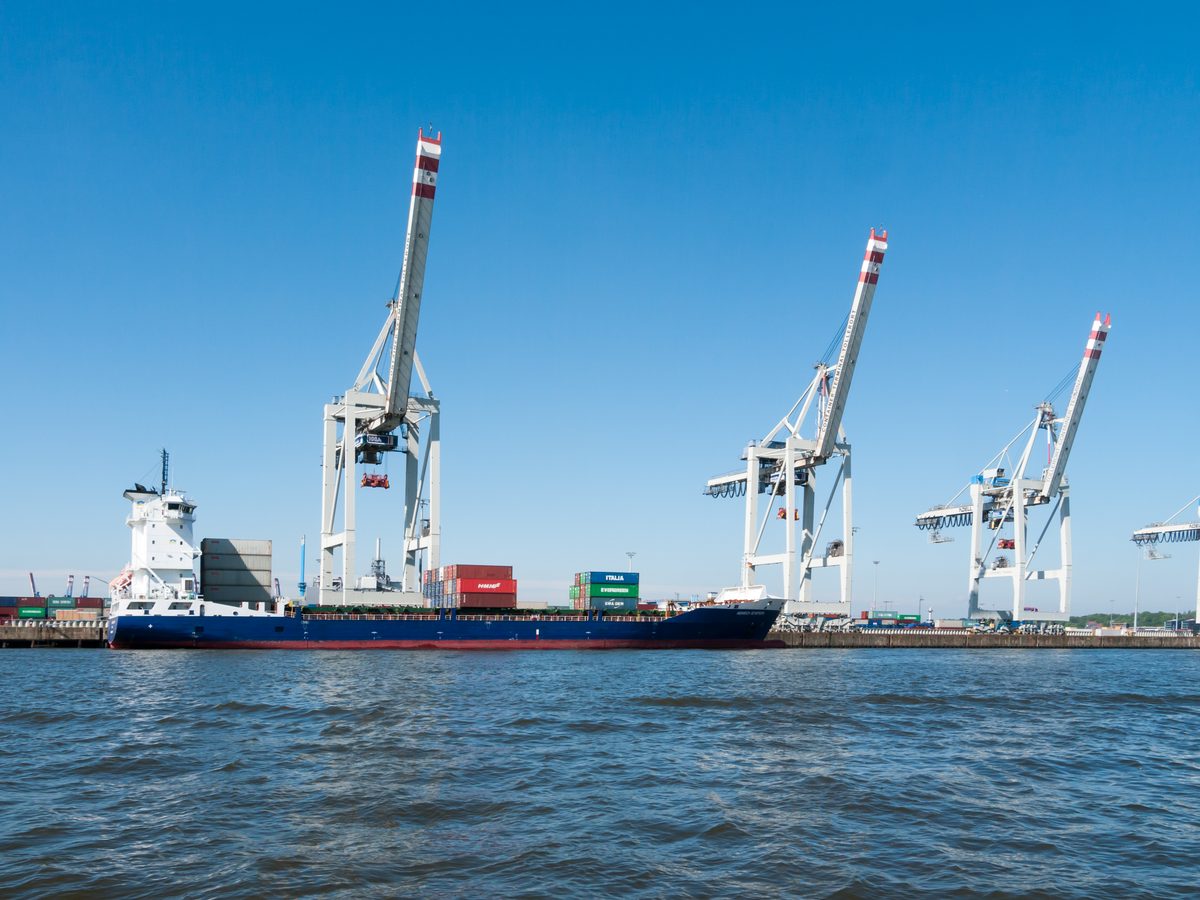
How are demurrage and detention charges calculated?
The core formula is simple: billable days multiplied by the applicable day-rate tier multiplied by container count. The complexity comes from tiered tariffs, local holidays, gate closures, and exceptions linked to terminal notices. A typical tariff structure might offer four free days, then charge one rate for days five to seven and a higher rate from day eight onward. If a consignee has 30 containers and misses pickup by five days after free time, the invoice can move from manageable to strategic in one accounting cycle.
Teams often underestimate how fast escalation tiers amplify total cost. Consider a lane with a base demurrage tier of $180 per container per day, escalating to $320 after day seven. For 20 containers delayed by six billable days, cost is roughly $21,600. Extend the same delay profile by four more days at the higher bracket and total can exceed $47,000 without any change in ocean rate. The same pattern applies to detention when empties cannot be returned due to inland bottlenecks or depot capacity constraints.
The faster way to improve forecasting is to model two views in parallel: gross exposure from tariff math and collectible exposure after expected dispute success. That second layer matters because not all billed days are defensible. Under US oversight, invoices should include sufficient billing details and should align with the principle that charges should promote fluidity. If terminals were inaccessible or appointments were unavailable during part of the period, portions of the bill may be challengeable.
Illustrative cost model for one import wave
| Assumption | Value | Impact |
|---|---|---|
| Containers | 24 FEU | Multiplies all day-rate costs |
| Free time | 4 days | Buffer before billing starts |
| Demurrage rate (days 5-7) | $190/day | Base overdue bracket |
| Demurrage rate (day 8+) | $340/day | Escalation bracket |
| Extra overdue days beyond day 7 | 3 days | Adds $24,480 at high bracket |
To keep assumptions realistic, teams should align these models with route-risk pages already on this site. Our war risk insurance shipping analysis explains why premium jumps appear before full route closure, while force majeure shipping contracts explains when contractual liability shifts are possible. Demurrage and detention should be tracked as the operational cash outcome of those same risk signals.
Who pays under real contracts when schedules break?
Who pays demurrage and detention charges is not determined by carrier invoice alone; it is determined by the stack of incoterms, sales contracts, freight booking terms, and inland service orders. In practice, many importers discover too late that they effectively accepted delay liability through boilerplate language even when root causes sat outside their direct control. The fix is to map liability pathways before vessel arrival, not during invoice disputes.
Under common FOB and CFR structures, importers often become responsible for destination-side delays once cargo reaches discharge conditions, even if upstream disruptions started at origin. Under DDP-like structures, sellers may hold more exposure but frequently seek pass-through clauses for extraordinary delay costs. The operational consequence is that legal wording, customs readiness, and trucking capacity all need to align. If any one leg breaks, cost ownership falls to whichever party has the least protected clause in that lane.
This is why advanced teams run a pre-arrival liability matrix. They do not ask "who usually pays"; they ask "who pays under this contract and this disruption scenario." They classify each shipment by term, customer promise, and inland capacity certainty. Then they set escalation triggers: when ETA slips beyond threshold, legal and commercial teams are notified automatically to renegotiate free time or delivery commitments before fees accrue.
Contract clauses that most affect delay-fee ownership
- Free-time commitment language: whether free days are fixed, negotiable, or best-efforts only.
- Force majeure and port closure references: whether disruption pauses obligations or only delays notice requirements.
- Pass-through permission: whether carriers' and terminals' surcharges can be charged back to buyers.
- Notice and mitigation duties: whether parties must document reasonable efforts before claiming reimbursement.
Operationally, this topic connects directly with our general average shipping claims guide. General average governs post-casualty shared contribution, while demurrage and detention govern day-to-day delay penalties around terminal and equipment velocity. They are separate legal frameworks, but they often hit the same balance sheet during the same disruption quarter.
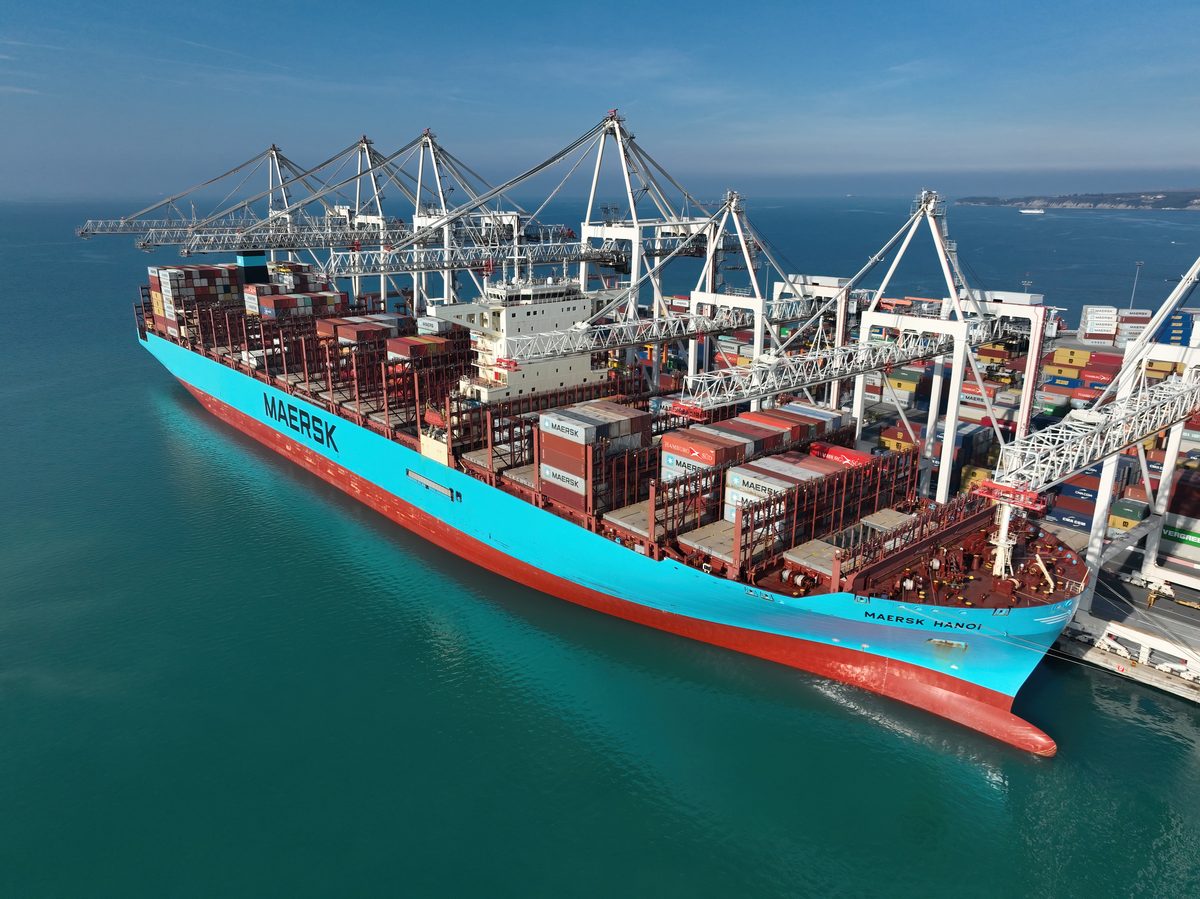
How can operators reduce charges before vessels arrive?
The lowest-cost mitigation window is the seven to ten days before ETA, when teams still have leverage to fix documentation, reserve appointments, and align inland capacity. Once containers are already late in terminal, options narrow and negotiation shifts from prevention to damage control. A practical operating playbook should assign single-point accountability for each leg: customs, drayage, terminal appointments, empty return planning, and invoice intake.
Start with customs pre-clearance and document completeness. A high share of avoidable demurrage stems from missing or inconsistent import data, not from pure port paralysis. Next, secure truck and chassis capacity with explicit backup rules, not verbal assumptions. Then establish a free-time decision tree: if ETA shifts by more than a threshold, trigger immediate carrier discussion on additional free days. This is where data from MARAD advisories and terminal notices should feed directly into commercial escalation.
Finally, run a weekly delay-risk dashboard that includes both operational and financial metrics. Operations teams watch gate and appointment visibility; finance teams watch projected gross fee accrual and recovery probability. When these views are disconnected, one team optimizes movement while the other discovers avoidable leakage only at month close.
Companies that improve this process usually do three things that look small but produce outsized results. First, they freeze a lane-level operating calendar with all known holidays, terminal maintenance windows, and customs office closures. Second, they require a named backup trucker and named backup depot in every booking file, not only in peak season. Third, they standardize customer communication windows so that delivery appointment risk is surfaced before free-time expiry, rather than after the first invoice arrives. These controls sound administrative, but they materially change outcomes because they force decisions while options still exist.
Ninety-day implementation plan
- Weeks 1-2: Baseline lane-level fees, free-time terms, and top disputed invoice reasons.
- Weeks 3-4: Standardize pre-arrival checklist, including customs, appointment, and return-depot confirmation.
- Weeks 5-8: Deploy trigger rules for ETA slippage and automatic commercial/legal escalation.
- Weeks 9-12: Add monthly billing audit scorecard by carrier and terminal with dispute recovery tracking.
For real-time disruption context, the US Maritime Administration advisory center and UNCTAD maritime transport review are useful anchors for planning assumptions. Both help teams separate structural delay trends from short-term shock events when deciding how much buffer to buy in contracts.
How should teams audit invoices and dispute invalid fees?
Invoice audit discipline is where most recoverable value sits. High-performing teams treat every delay invoice as a data object: they test the billed window against gate access, appointment availability, free-time entitlement, and documented force events. They also verify whether the invoice includes the details required by local regulation. In the US, billing standards issued by the Federal Maritime Commission give shippers stronger grounds to challenge incomplete or non-compliant invoices.
Audit quality improves when disputes are triaged by value and legal strength. Not every invoice should be litigated. The right approach is to classify claims into three buckets: clear-pay, clear-dispute, and negotiate. Clear-pay items are settled quickly to preserve commercial relationships. Clear-dispute items are challenged with evidence packets and escalation deadlines. Negotiate items are resolved through future free-time offsets or blended settlements where direct reimbursement is uncertain.
Another practical upgrade is to measure dispute cycle time, not just win rate. A dispute recovered after 180 days can still damage working capital and covenant metrics in the quarter when charges were booked. Treasury teams should therefore model both expected recovery percentage and recovery timing distribution. This keeps liquidity planning realistic and reduces pressure for reactive pricing decisions when temporary cash hits land.
Teams that outperform in dispute recovery also separate root-cause correction from invoice challenge. If the same lane, terminal, or broker generates repeated disputes, the objective is not only to win claims; it is to eliminate recurrence. A monthly corrective-action review should therefore assign owners for each repeat pattern, whether the issue is customs filing timing, failed appointment booking, or ambiguous contract wording. In other words, dispute data is operations data.
Minimum evidence packet for each dispute
| Evidence | Why it matters | Owner |
|---|---|---|
| Tariff and free-time terms at booking date | Confirms baseline billing rights | Procurement/logistics |
| Gate and appointment availability logs | Supports "cargo could not move" argument | Terminal operations |
| Customs clearance timestamps | Separates importer delay from external blockage | Trade compliance |
| MARAD or local disruption notices | Supports extraordinary-conditions context | Risk/compliance |
| Invoice detail checklist | Tests regulatory billing compliance | AP and legal |
For US shippers, authoritative references are the FMC's rule and billing pages at fmc.gov. Using those standards in first-response letters improves negotiation quality and shortens back-and-forth over evidentiary basics.
FAQ
What are demurrage and detention charges?
Demurrage is billed when containers stay too long in terminal after free time. Detention is billed when equipment stays too long outside terminal after pickup. Both are daily charges and both can escalate by day bracket.
How are demurrage and detention charges calculated?
Most carriers apply a tiered per-day tariff after free days expire. Total cost is the day-rate bracket times overdue days times container count. The final bill can increase sharply once higher-day tiers are reached.
Who pays demurrage and detention charges in a contract?
Payment responsibility depends on contract language, incoterms, and booking terms, not just invoice recipient. Importers often carry destination-side exposure unless terms explicitly transfer or cap delay liability.
How can shippers reduce demurrage and detention charges?
Pre-clear customs, reserve appointments before ETA, confirm empty-return capacity, and trigger free-time negotiations as soon as schedule slip appears. Preventive controls before arrival usually outperform post-invoice negotiation.
Are demurrage fees legal under US rules?
Yes, but charges should promote cargo movement and invoices must meet required standards. Shippers can dispute non-compliant or non-incentivizing charges with documented evidence.
Sources
- US Federal Maritime Commission, detention and demurrage resources and rule context. fmc.gov
- US Maritime Administration, maritime security advisories. marad.dot.gov
- US Energy Information Administration, Strait of Hormuz chokepoint analysis. eia.gov
- UNCTAD, Review of Maritime Transport. unctad.org