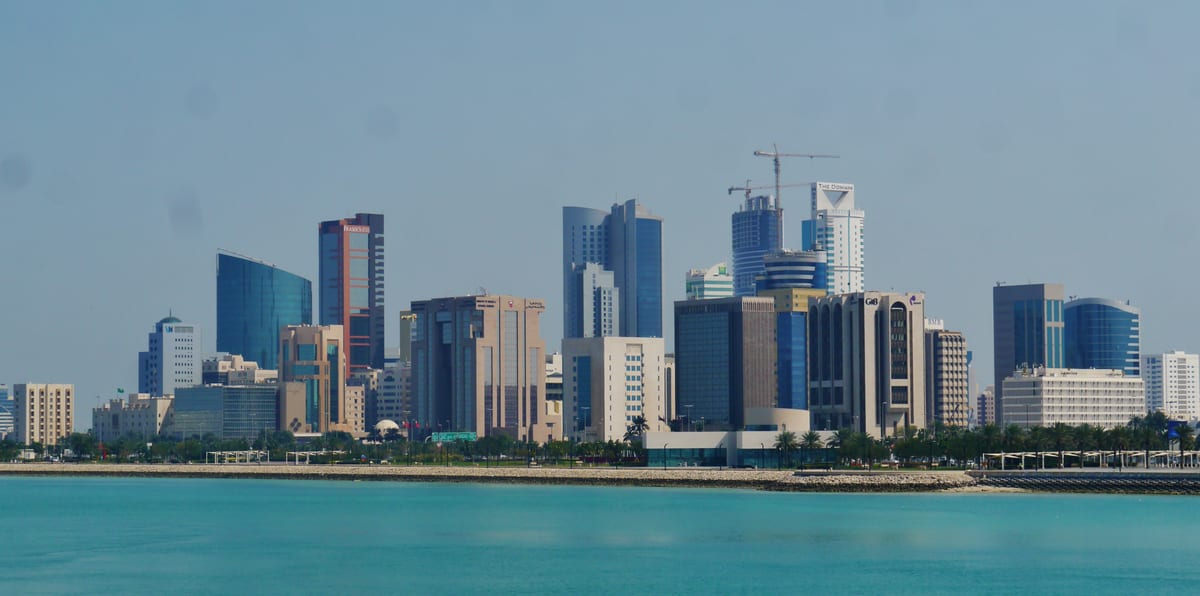
Is Bahrain safe to travel right now?
Is bahrain safe to travel is the right starting question, but the useful answer is not a permanent yes or no label. Bahrain can remain workable for many travelers during regional tension, yet the risk picture can shift quickly when military events or advisories force transport changes. In other words, most trips fail from operational fragility, not from a sudden collapse of everyday city function in Manama.
A practical way to evaluate bahrain travel advisory risk is to split the decision into four layers. The first layer is on-the-ground daily safety in hotels, offices, and routine urban areas. The second layer is transport continuity, which includes airport schedule reliability, connection resilience, and cross-border backup options. The third layer is legal and compliance risk, because emergency periods can tighten enforcement even when streets look normal. The fourth layer is information quality, where rumor cycles can push expensive mistakes faster than verified updates can catch up.
This layered method matters because travelers often over-focus on headlines and under-focus on routing logic. Bahrain's scale means itinerary design has outsized impact: if one segment fails, your alternatives can narrow quickly unless you pre-plan them. Travelers who already use our Qatar travel safety framework or Saudi travel risk checklist will recognize the same principle here: uncertainty is manageable when you separate location risk from continuity risk.
| Risk layer | Normal baseline in Bahrain | What usually changes first |
|---|---|---|
| Urban daily conditions | Stable for routine hotel and business activity | Higher police and venue screening visibility |
| Airport and flight continuity | Regular commercial operations | Rolling delays, reroutes, and schedule compression |
| Cross-border movement | Predictable when policies are steady | Tighter controls and changing wait conditions |
| Traveler decision quality | Strong when checklist driven | Weakens quickly under rumor pressure |
The key conclusion is straightforward. Bahrain travel can be realistic when planning is deliberate and adaptive, but it is not a set-and-forget itinerary during active regional friction. If your schedule, budget, or obligations cannot tolerate quick transport changes, your true exposure is higher than a generic advisory headline suggests.
What do Bahrain travel advisories actually tell you?
Official advisories are your anchor because they combine diplomatic reporting, threat analysis, and practical consular response limits. Start with the U.S. State Department advisory for Bahrain, then cross-check it with the UK FCDO Bahrain guidance and Government of Canada travel advice. The comparative read matters because differences in wording can reveal what kind of risk is moving fastest.
Many travelers read the headline level once and stop there. That is the wrong cadence in a fast-moving security environment. Advisories become useful only when read on a repeat cycle: before booking, 72 hours before departure, at check-in, and once daily in-country. Those checkpoints turn static information into an operational warning system.
Another frequent mistake is underestimating legal and procedural risk. During regional strain, authorities can enforce documentation, entry conditions, and restricted-area rules more strictly. You do not need to be in a high-threat neighborhood to create a high-friction scenario for yourself; simple noncompliance can trigger delays, questioning, or missed onward travel. Travelers should therefore treat legal briefing as a direct safety control, not as a sidebar.
If you are planning a short trip, translate advisory signals into predefined actions. If wording shifts toward transport disruption, you move to flexible fares and wider layovers. If advisories narrow to area-specific concerns, you remove discretionary travel in those zones. If carrier waivers appear, you secure alternatives before seats tighten. Decision rules cut panic because you already know what each signal means for your itinerary.
Good risk management is not predicting every event. It is mapping each warning signal to a specific next action before pressure starts.
Is Manama safe for tourists, business travelers, and families?
Manama travel safety is often best understood as a function of purpose and structure. Business travelers with fixed meetings, vetted transport, and centrally located accommodation usually face lower operational uncertainty than visitors running multi-stop plans with tight timing. Leisure and family trips can also be workable, but only when itinerary complexity is reduced and fallback options are explicit.
Business and conference travel in Manama
For business schedules, Manama's compact geography can help if you pre-map routes and avoid unnecessary late transfers. The most common failure point is over-optimization: travelers stack too many meetings with too little transport slack, then lose the entire day after one delay. Build resilience directly into your calendar with buffer windows, a nearby backup venue, and one no-penalty reschedule slot.
For teams, assign one person to transport monitoring and one to advisory monitoring so decisions are fast and clear. Ambiguity about who decides can cost more than the disruption itself. This same control appears in corporate contingency playbooks for the region and should be treated as standard practice when alerts intensify.
Leisure and family visits in Manama
Leisure travelers and families usually do best with a hotel-centered plan, daytime movements, and verified transport providers. The biggest practical risks are fatigue, late-night re-routing, and confusion during schedule changes, not random day-to-day insecurity in core visitor zones. Simplifying movement patterns reduces those risks immediately.
Travelers with children should treat hydration, rest windows, and communication fallback as core safety items. A stable family plan can absorb moderate delays without forcing stressful last-minute decisions. If you are combining Bahrain with other Gulf stops, check the travel logic against our Dubai safety page and regional airspace guide to avoid fragile transit chains.
Solo travel and first-time visitors
Solo travelers can reduce exposure by staying near primary transport corridors, using registered ride apps, and keeping offline copies of documents and support contacts. First-time visitors should also set a hard rule against route changes based on unverified social posts. Most avoidable losses happen when people react to rumor speed instead of official updates.
| Traveler profile | Typical Manama fit | Main vulnerability | Best control |
|---|---|---|---|
| Business traveler | High with structured schedule | Tight meeting stacks after delays | Time buffers and pre-approved rebooking |
| Leisure traveler | Medium-high | Overloaded multi-stop itinerary | Hotel-centered plan and daylight movement |
| Family traveler | Medium-high | Fatigue during transport disruption | Backup lodging and reduced segment count |
| Solo first-time traveler | Medium-high | Rumor-driven last-minute route shifts | Verified channels and fixed contingency rules |

How can flights and causeway travel be disrupted during escalation?
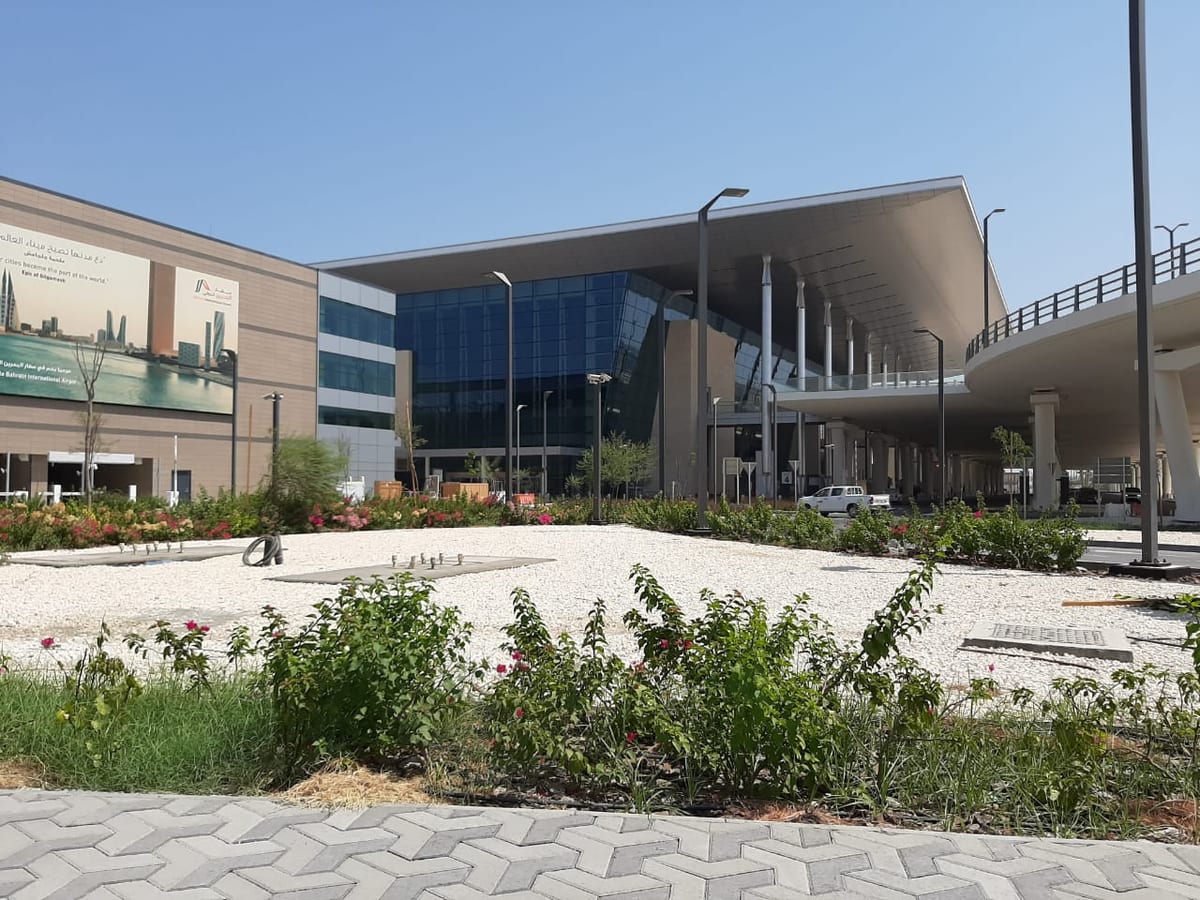
Transport continuity is where most Bahrain travel plans fail first. Bahrain International Airport can continue operating while route reliability degrades due to airspace reroutes, aircraft rotation stress, and cascading schedule edits across Gulf networks. Travelers often interpret "airport open" as "trip secure," but those are different conditions. Operational strain can remain high even without a full closure event.
For air travel, distinguish between closure risk and volatility risk. Closure risk is lower frequency but higher impact. Volatility risk is higher frequency and includes rolling delays, missed connections, and queue-driven rebooking losses. If your itinerary depends on very short layovers or one narrow time window, volatility risk can become the dominant threat to your trip.
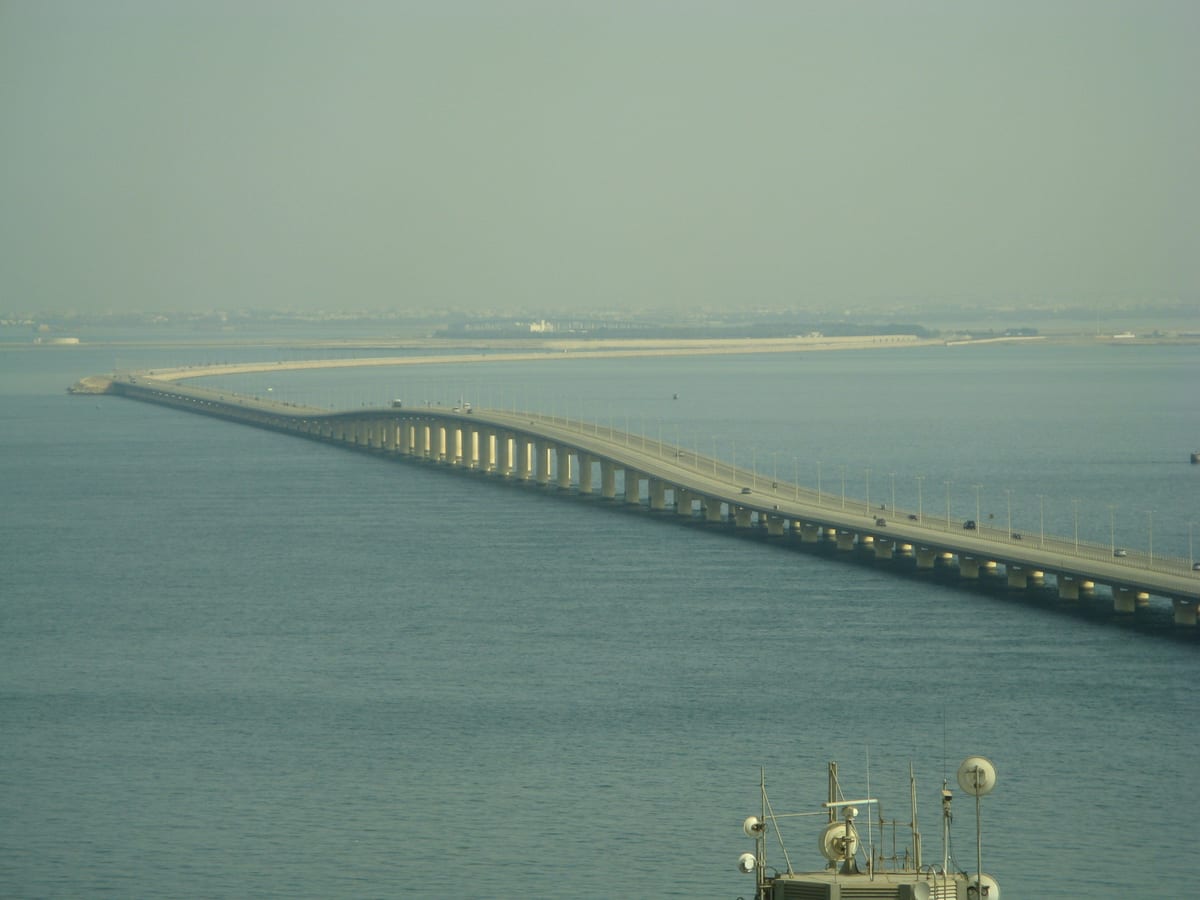
Cross-border planning introduces another layer. Travelers who consider overland alternatives, including causeway routes, should treat them as backup channels with policy-dependent reliability, not guaranteed solutions. Procedures, waiting times, and movement assumptions can shift during security-sensitive periods. The right approach is to pre-check policy status and carry enough flexibility to pause overnight rather than forcing movement under pressure.
Maritime indicators can also help you read transport tempo. Notices from MARAD and UKMTO are shipping-oriented, but sustained warning activity often correlates with tighter regional risk assumptions across aviation and logistics. Pair those signals with airline and advisory updates for a more complete continuity picture.
Transport triggers that should change your travel plan
- Multiple schedule edits in one day: Shift to wider connection windows and same-alliance options.
- Advisory wording hardens on mobility risk: Remove discretionary same-day transfers.
- Carrier waiver appears: Use it early, before capacity compresses.
- First missed segment: Rebuild route cleanly instead of patching a fragile chain.
- Cross-border policy uncertainty: Pause and verify before committing to movement.
This approach aligns with the scenario logic in our next-30-days risk scenarios and Hormuz disruption pathways. You do not need perfect foresight to travel safely; you need resilient routing and clear decision thresholds.
What is a practical Bahrain travel safety plan before departure?
A strong bahrain travel safety plan fits on one page and can be executed under stress. Start with document readiness, move to continuity controls, then set hard decision thresholds. This sequence is simple, but it outperforms ad hoc decision-making when conditions change quickly.
Step 1: Document and compliance readiness
Confirm passport validity, visa and entry requirements, return or onward proof, and accommodation records. Keep offline copies. Review legal norms that affect visitors, including public conduct and restricted-area behavior. Compliance reduces avoidable friction, especially during tighter security posture periods.
Step 2: Continuity controls
Use flexible tickets when possible, pre-identify one backup flight path, and hold one refundable lodging fallback near likely transit points. Keep a dedicated disruption budget so rebooking decisions are not constrained by short-term cash pressure. This is where many trips break: travelers optimize fare price but leave no room for operational stress.
Step 3: Decision thresholds
Set explicit triggers before you leave. Example: if routing changes twice in 24 hours, switch to direct or fewer-leg options; if advisories materially tighten on transport risk, postpone nonessential movement; if arrival shifts into high-fatigue windows, add an overnight pause instead of forcing same-day onward travel. Thresholds protect judgment under pressure.
| Planning area | Minimum standard | Result during disruption |
|---|---|---|
| Booking strategy | Flexible fare plus backup option | Faster adaptation, lower penalty costs |
| Information stack | Two official advisory feeds plus carrier alerts | Less rumor exposure |
| Transport logic | Alternate route and backup overnight plan | Lower forced-movement risk |
| Support contacts | Embassy, airline, insurer details offline | Faster recovery in queue conditions |
| Budget control | Dedicated disruption reserve | Better decision quality under stress |
If your trip is optional, timing flexibility is a major risk lever. A delay of even 48 to 72 hours after a major regional incident can improve route stability and reduce last-minute costs. If your trip is fixed, reduce itinerary complexity instead. Fewer segments and wider buffers are usually more valuable than chasing small price differences.
Final assessment: Bahrain can remain a feasible destination or transit point, but only if your plan assumes moving conditions. Treat advisories as living inputs, treat continuity as a safety function, and keep an explicit fallback path. Travelers who do that generally convert uncertainty into manageable delay rather than crisis.
FAQ
Is Bahrain safe to travel right now?
Bahrain remains visitable for many people, especially with structured travel plans and active monitoring of official advisories. The largest practical risk is rapid transport disruption rather than routine citywide insecurity. Flexible bookings and backup routing make a measurable difference.
What does the U.S. travel advisory for Bahrain say?
The U.S. advisory gives the baseline risk and mobility guidance for U.S. travelers and should be checked repeatedly through the trip cycle. Read the detail sections, not just the headline level, because changes in transport language can happen quickly. Cross-check against UK and Canadian advisories for context.
Is Manama safe for tourists and business travelers?
Many business and leisure trips in Manama proceed normally when itineraries are simple and compliant with local rules. Most avoidable issues come from over-tight scheduling and rumor-driven route changes. Structured transport and clear fallback planning are the strongest controls.
Is Bahrain International Airport safe for layovers?
The airport can stay operational during regional stress, but delays and reroutes may still affect connection reliability. Build larger layover buffers and keep rebooking options ready before departure. Operational strain is more common than complete shutdown.
Can Iran tensions disrupt Bahrain flights and causeway travel?
Yes, regional escalation can change route assumptions across both air and cross-border movement channels. Travelers should avoid treating any single corridor as guaranteed. Pre-planned alternatives are essential when advisories and carrier notices change at short notice.
Sources
- U.S. Department of State, Bahrain Travel Advisory. travel.state.gov
- UK Foreign, Commonwealth and Development Office, Bahrain travel advice. gov.uk
- Government of Canada, Bahrain travel advice and advisories. travel.gc.ca
- MARAD Maritime Security Communications with Industry portal. marad.dot.gov
- UK Maritime Trade Operations advisories. ukmto.org
- Iran War Updates, conflict route and scenario explainers: flight routes and next 30 days scenarios.
- Wikimedia Commons image files used on this page (CC BY / CC BY-SA): Bahrain International Airport (New Terminal), Manama skyline, Manama night skyline, and King Fahd Causeway imagery.
Review note: Last materially reviewed April 17, 2026. Material corrections are added when the evidence baseline changes. Questions or sourcing concerns: contact the editorial team. See our standards and source library.