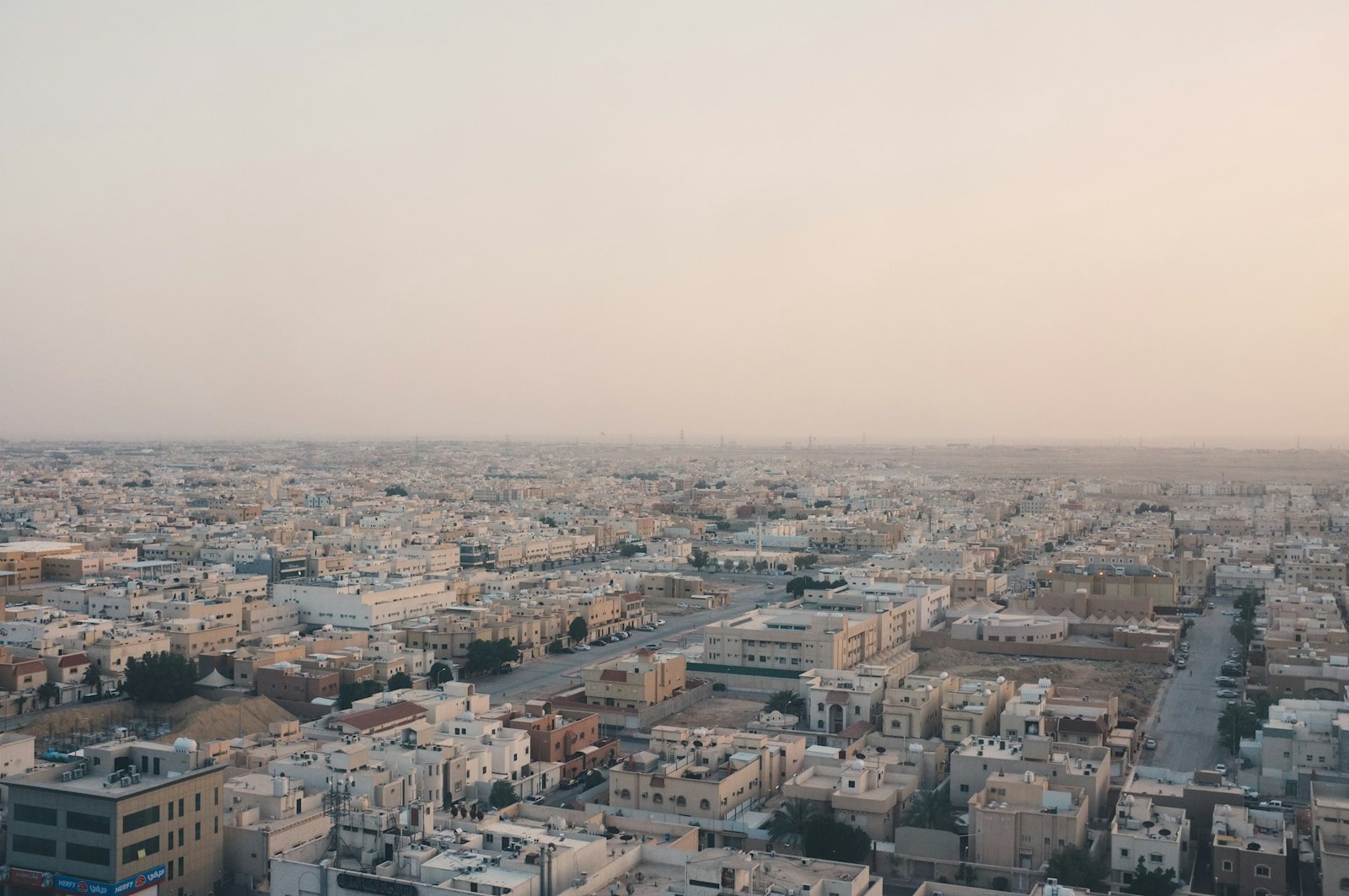
Is Saudi Arabia safe to travel right now?
Is saudi arabia safe to travel is the right question to ask before booking because the correct answer depends less on one static label and more on your route, timing, and tolerance for operational disruption. Most travelers to major hubs complete trips without incident, but regional escalation can create short-notice changes in flight paths, connection reliability, and consular guidance. If you plan around those variables in advance, risk becomes manageable instead of chaotic.
The most useful way to assess safety is to split your decision into three layers. First is local personal safety, which in major commercial districts is usually stable when travelers follow local law and venue rules. Second is transport continuity, where risk rises faster because airlines can reroute around conflict-adjacent corridors even when your destination city remains calm. Third is information reliability, where rumor cycles on social media can push people into costly, unnecessary last-minute moves. Separating these layers helps avoid all-or-nothing thinking.
Saudi Arabia is not a monolithic risk environment. Riyadh, Jeddah, and Eastern Province business zones have different exposure profiles and different transport dependencies. People planning pilgrim or conference itineraries often make the mistake of treating one city's conditions as a universal signal for the whole country. A better approach is city-by-city risk mapping plus a documented fallback route. If you already use our Qatar travel risk framework or our Dubai safety guide, the same discipline applies here.
| Risk layer | Typical baseline | What changes first during escalation |
|---|---|---|
| On-the-ground safety | Generally routine in major urban/business areas | Tighter security checks and stricter venue controls |
| Flight continuity | High frequency domestic/international operations | Reroutes, rolling delays, tighter connection windows |
| Advisory guidance | Regular update cadence | Faster warning updates and narrower risk language |
| Traveler decision quality | Good when checklist-driven | Falls quickly if decisions are rumor-driven |

What does the Saudi Arabia travel advisory picture actually show?
Official advisories are your anchor because they combine intelligence reporting, diplomatic context, and practical consular response capacity. Start with the U.S. State Department Saudi Arabia advisory, then cross-check with UK FCDO Saudi guidance and Government of Canada travel advice. The value is not just the headline level; the value is the area-specific detail, transport caveats, and legal compliance notes.
One recurring mistake is reading a single advisory once and treating it as permanent truth. In a conflict-adjacent region, advisory usefulness decays quickly. Travelers should check advisories at decision checkpoints: before booking, 72 hours before departure, at online check-in, and once daily while in-country. This loop is more important than trying to predict exact geopolitical outcomes. When escalation tempo increases, the speed of your review cycle often matters more than your baseline opinion of risk.
Another blind spot is legal risk. Saudi Arabia has different standards around public behavior, photography in sensitive areas, controlled substances, and digital conduct than many Western travelers expect. Advisory pages often include legal reminders that look secondary but can become primary if enforcement tightens during regional stress. Practical safety includes legal compliance because legal incidents can strand travelers even when physical-security conditions are stable.
Advisories also work best when tied to predefined actions. For example: if an advisory section adds new language about regional missile activity, you switch to flexible fares and longer connections; if it adds specific area restrictions, you remove discretionary travel in those zones; if it emphasizes transport disruption, you prioritize daytime transfers and same-alliance ticketing. Decision rules prevent panic because you already know what each signal should trigger.
In real travel operations, the costliest failure is not missing data; it is failing to connect new advisory data to a preplanned action.
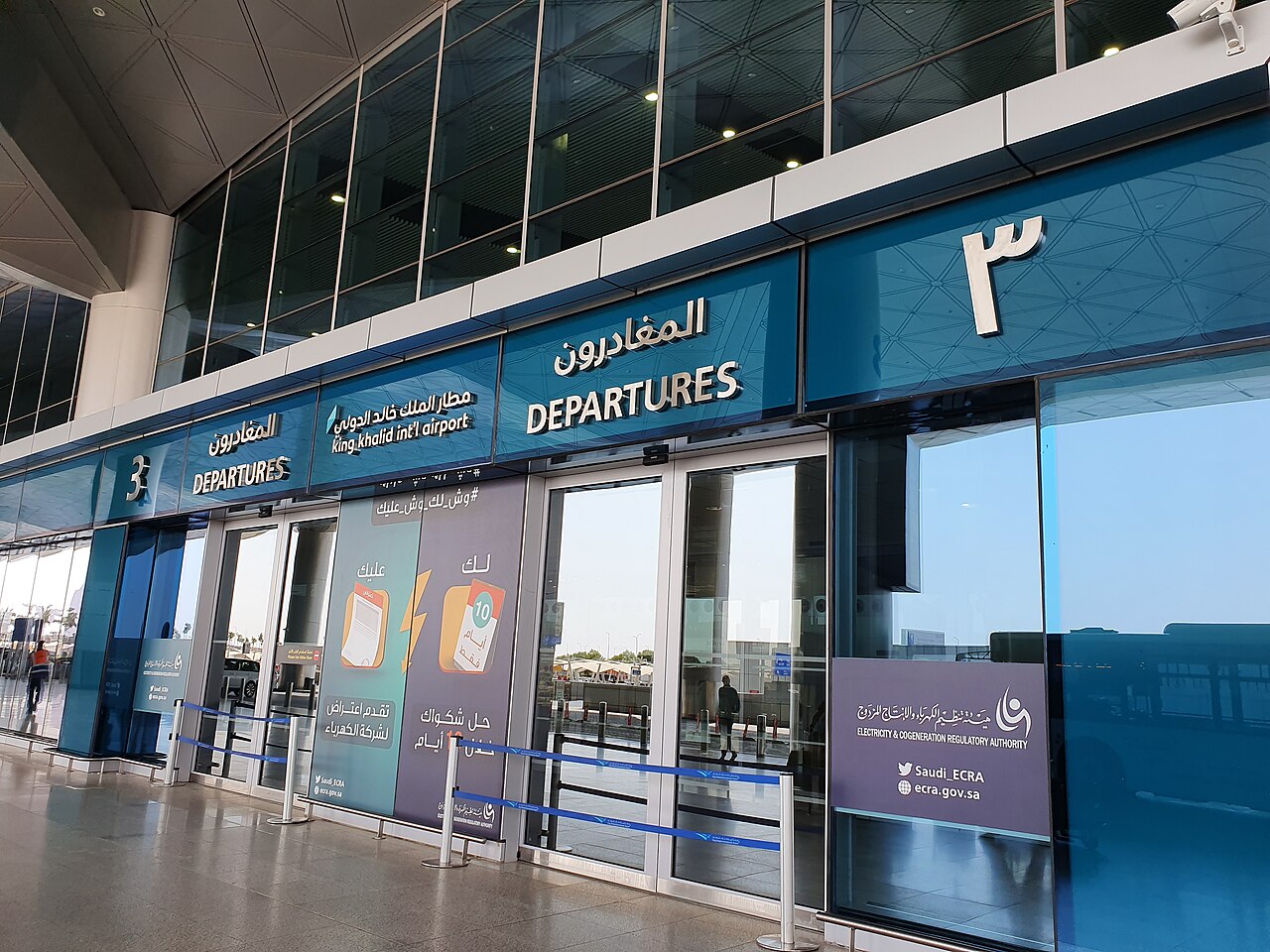
Is Riyadh or Jeddah safer for tourists, business travelers, and families?
For most itineraries, the right question is not "Which city is safe?" but "Which city best matches my trip purpose and disruption tolerance?" Riyadh is the policy and business center, with high infrastructure quality and strong security presence around government and corporate districts. Jeddah is a major gateway for leisure, commerce, and religious transit flows, where traveler experience depends heavily on seasonal demand and airport throughput. Both can be workable, but each has distinct operational patterns.
Riyadh travel safety profile
Riyadh travel safety is usually strongest for business travelers who stay in structured zones, use licensed transport, and keep evening movement predictable. For first-time visitors, the main challenges are logistical rather than overt physical insecurity: navigating distance between districts, understanding local social norms, and managing heat and scheduling constraints. If your meetings are concentrated and hotel-transport links are clear, Riyadh is often easier to control from a risk perspective than multi-city itineraries.
Women travelers and solo visitors generally reduce risk by using known accommodation brands, verified ride-hailing platforms, and venue-specific dress/entry guidance. The objective is not fear-based behavior; it is reducing uncertainty during normal friction points such as late arrivals, identity checks, and route changes after dark. Travelers who prepare these basics in advance usually report a smoother experience than those relying on ad hoc decisions at arrival.
Jeddah travel safety profile
Jeddah travel safety can be comfortable for leisure and family trips when plans are built around straightforward transfers and realistic timing. Because Jeddah handles heavy inbound and transit flow, peak periods can amplify delays and compress check-in windows, especially when regional airspace adjustments ripple across networks. Travelers should treat connection margin as a safety control, not a luxury. A missed connection at the start of a trip can force rushed rebooking decisions and poor overnight choices.
For pilgrim-adjacent itineraries, crowd density and schedule synchronization matter. Build hydration, rest, and transport buffer into the plan so minor delays do not force hurried movement. Travelers sometimes focus exclusively on geopolitical headlines and underweight basic operational stressors like terminal congestion, fatigue, and mobile connectivity loss. In real-world incidents, those stressors are often what escalate minor disruption into personal risk.
| Traveler type | Riyadh fit | Jeddah fit | Key risk control |
|---|---|---|---|
| Business traveler | High for single-city meetings | Medium if transit-heavy | Keep same-day rebooking options and licensed transport |
| Leisure traveler | Medium | High for coastal itinerary | Use realistic transfer times and local-law briefing |
| Family traveler | Medium-high with structured plan | Medium-high with simpler routing | Avoid late-night tight connections |
| First-time solo traveler | High if preplanned | Medium with peak-season buffers | Pre-book vetted hotels and mobility |
Bottom line: neither city is automatically "unsafe," but each punishes underprepared itineraries in different ways. Riyadh usually rewards structure and purpose-built schedules. Jeddah usually rewards transfer resilience and seasonal awareness. Choose the city profile that matches how much change your trip can absorb without forcing last-minute improvisation.

How can Iran tensions disrupt Saudi Arabia flights and airport operations?
The most likely Saudi travel disruption channel during Iran-related escalation is airspace management, not immediate city-level breakdown. Airlines prioritize crew safety, insurance conditions, and regulator notices; if corridor risk rises, they reroute first and explain later. That can add flight time, narrow aircraft rotations, and create rolling delay clusters. From a traveler perspective, the event may look sudden even when operators have been adapting for hours.
To interpret risk correctly, distinguish between airport closure risk and network strain risk. Closure risk is lower probability and usually tied to severe escalation. Network strain risk is more frequent and includes delayed arrivals, gate saturation, baggage mismatches, and aggressive rebooking queues. Travelers who only ask "Is the airport open?" can still get trapped by strain dynamics because open airports can operate in degraded conditions for long stretches.
This is why our broader Middle East airspace explainer emphasizes route resilience over static maps. A safe itinerary is one that can absorb reroutes without collapsing. Use through-ticketed itineraries when possible, avoid very short layovers, and prioritize airlines with dense regional alternatives. If your trip depends on one narrow connection path, your true risk is higher than advisory headlines might suggest.
Maritime and aviation signals can also be read together. Notices from MARAD and UKMTO are not aviation bulletins, but sustained warning activity can indicate elevated regional threat tempo that often correlates with tighter transport assumptions. Pair those indicators with airline operations updates and national advisories for a fuller picture.
Operational triggers that should change your plan
- Two or more same-day schedule changes on your route: move to more flexible departure windows.
- Advisory wording shift from routine caution to explicit transport disruption: activate backup routing.
- Repeated NOTAM and routing chatter in your carrier app: add connection buffer or shift to direct routing.
- Carrier waiver announcement for date changes: use it early before inventory tightens.
- Missed first connection after reroute: avoid multi-leg salvage; rebook onto a cleaner path.
Most traveler loss during regional shocks is time and money, not direct harm. Treating continuity planning as a safety function keeps pressure lower when disruptions start. If you need scenario context, our 30-day escalation scenarios page and Hormuz risk pathways help frame how quickly operational conditions can change.
What is a practical Saudi Arabia travel safety plan before departure?
A strong travel safety plan is short enough to execute under stress. You do not need a 30-page risk memo; you need a one-page checklist you can follow in an airport queue at midnight. Start with documents and legal readiness, then build continuity controls, then define decision thresholds. Travelers who complete these three steps before departure are far less likely to make costly panic decisions.
Step 1: Document and legal readiness
Confirm passport validity, visa status, hotel confirmations, and return/onward proof where applicable. Save digital and offline copies. Review legal conduct rules from advisory pages, especially where foreign visitors can misread local expectations. This is not bureaucracy for its own sake: legal friction can create immediate movement constraints when schedules are already tight.
Step 2: Continuity controls
Choose ticket classes and hotel policies that allow change without punitive fees. Build a backup route and backup overnight option near your likely transit points. Keep one payment method reserved for disruption spending rather than daily expenses. In most incidents, disruption costs accumulate from repeated small decisions: rebooking delta, extra transfer, one additional night, and communications overhead.
Step 3: Decision thresholds
Define clear triggers before departure: for example, if a route shifts twice in 24 hours, you switch to a direct path; if advisory language changes materially, you postpone nonessential legs; if arrival is pushed into high-fatigue windows, you add an overnight pause. Predetermined thresholds prevent emotional decisions when information velocity increases.
| Control area | Minimum standard | Why it matters during escalation |
|---|---|---|
| Bookings | Changeable fare + refundable backup option | Lets you adapt before market inventory tightens |
| Information | Two official advisories + carrier alerts | Reduces dependence on rumor spikes |
| Logistics | One alternate route and one overnight fallback | Turns cancellation into manageable delay |
| Contacts | Embassy, airline, insurer numbers saved offline | Faster support when networks are overloaded |
| Budget | Dedicated disruption reserve | Avoids forced decisions based on immediate cost |
If your trip is discretionary, consider timing flexibility as a risk-control lever. Shifting by even 72 hours can materially improve route stability after a regional incident. If your trip is fixed, simplify itinerary complexity instead: fewer segments, longer layovers, and daytime arrivals where possible. Complexity is the multiplier that turns manageable events into severe disruptions.
The practical conclusion is straightforward. Saudi Arabia can be traveled with disciplined preparation, especially for visitors using structured itineraries in major hubs. But in an active regional security environment, you should evaluate the trip as a live operation, not a one-time booking decision. Keep your assumptions current, your options open, and your action plan explicit.
FAQ
Is Saudi Arabia safe to travel right now?
For many travelers, yes, provided you plan around advisory updates and transport volatility. Conditions in major cities are often routine, but regional military developments can still disrupt routing and schedules with limited notice. Flexible bookings and a backup itinerary are the key controls.
What does the U.S. travel advisory for Saudi Arabia say?
The U.S. advisory provides current risk language, area-specific cautions, and legal/compliance context. Read the full advisory body, not only the headline level, then cross-check with UK and Canadian advisories for consistency. Re-check before each major transit step.
Can Iran tensions affect flights into Riyadh and Jeddah?
Yes. The most common impact is delay, reroute, or cancellation due to corridor risk management and network strain. Full shutdown is less common than rolling disruption, so prioritize rebooking speed and connection buffers over tight schedules.
Is Riyadh safe for women and first-time visitors?
Many first-time visitors travel without incident when they use vetted transport, structured lodging, and local-law awareness. The risk reduction basics are practical: compliance, route planning, and avoiding ad hoc late-night changes during disruption windows. Preparation quality matters more than headline noise.
Sources
- U.S. Department of State, Saudi Arabia Travel Advisory. travel.state.gov
- UK Foreign, Commonwealth & Development Office, Saudi Arabia travel advice. gov.uk
- Government of Canada, Saudi Arabia travel advice and advisories. travel.gc.ca
- MARAD Maritime Security Communications with Industry. marad.dot.gov
- UKMTO Notices and advisories for regional maritime security. ukmto.org
- Iran War Updates, Flight Routes and Conflict Zones explainer. iranwarupdates.com
Update note: This guide is updated when advisory language, route-control posture, or official risk signals materially change.