
Is Qatar safe to travel right now?
Is qatar safe to travel is the first question most people ask when Gulf headlines turn volatile, and the most accurate answer is that Qatar is usually functional but not risk-free. In practical terms, Doha hotels, roads, and airport operations remain stable far more often than they are disrupted; however, your journey can still be affected by external factors such as airspace restrictions, military signaling, sudden carrier schedule changes, or short-notice consular advisories tied to regional escalation cycles. That means safety is less about panic and more about disciplined preparation.
Travelers often make an all-or-nothing judgment when what they need is a risk tier. A useful framework is to separate local security risk from transit and continuity risk. Local security risk in Qatar is typically lower than in active conflict zones and most visits are routine. Continuity risk, by contrast, can be moderate in escalation windows because even limited missile exchanges in surrounding theaters may force airlines to reroute flights around restricted corridors. That can turn a simple itinerary into an overnight delay with little warning.
The page you are reading is built to reduce that uncertainty with evidence-based planning. If you already follow our Dubai travel safety guide, the structure here will feel familiar: watch official advisories, map your dependency on air corridors, and create an alternative itinerary before disruption starts. The fastest mistakes in regional shocks are waiting for your airline to solve every edge case and assuming one uninterrupted routing option will remain open.
| Risk layer | Typical baseline in Qatar | What changes during escalation |
|---|---|---|
| On-the-ground safety | Generally stable urban environment | Higher security posture, stricter movement guidance |
| Airport operations | High-capacity global hub performance | Connection delays and gate compression from reroutes |
| Regional airspace | Broad route availability | Possible restrictions, detours, and longer block times |
| Consular guidance | Routine updates | Faster update cadence and cautionary language |
What do official advisories say about Qatar travel safety?
For current risk decisions, official government advisories are your anchor because they combine diplomatic reporting, security analysis, and consular response capacity. The U.S. State Department Qatar advisory, the UK FCDO Qatar safety guidance, and Australia's Smartraveller page are especially useful because they update quickly when threat posture changes. They are not perfect predictors, but they are the cleanest public signal for when risk assumptions should be revised.
One common error is reading only the headline level and skipping section-level details. Travelers should read the parts on regional spillover, transport, protest restrictions, and legal enforcement. Qatar has specific legal and public-conduct standards that can be stricter than many visitors expect. In a high-tension period, enforcement can become even less tolerant of noncompliance, which means legal risk can become part of personal safety planning even if the broader security environment appears calm.
Another key point is timing. Advisories are snapshots, not guarantees. If you are traveling during a sensitive window, your objective is not to find a single "safe/unsafe" label and stop checking. Your objective is to build a repeatable monitoring cycle: check official advisories before departure, again at check-in, again at transit, and once daily while in-country. This is the same discipline we recommend in our Middle East airspace route guide because transport risk can move faster than hotel bookings or trip plans.
Consular alerts are most useful when you pre-wire your response. Save embassy contacts, enroll in traveler alert systems where available, and keep a note with the nearest alternate airports and onward options. When people get stranded, it is usually not because there was no warning signal; it is because the warning appeared after they lost schedule flexibility. The earlier you define your fallback routes, the less exposed you are to a same-day cancellation wave.
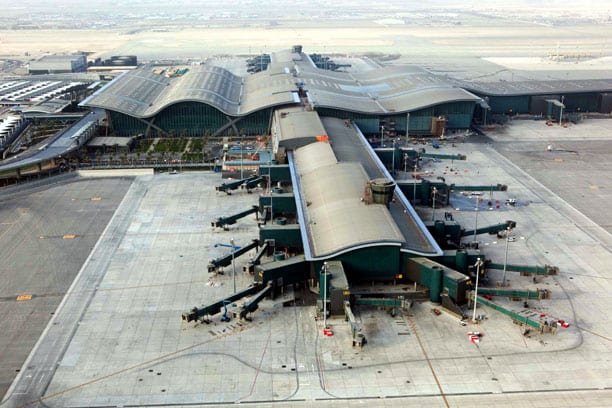
Is Doha airport safe for layovers and connections?
For most travelers, Hamad International Airport remains a reliable transit point with strong infrastructure, advanced screening, and high-frequency long-haul operations. The bigger question is not whether the terminal itself is secure, but whether your routing remains intact during regional military volatility. When airlines reroute away from contested or uncertain corridors, aircraft rotations and crew duty limits tighten quickly. That can create missed connections even when no direct security incident affects Doha itself.
This is why connection strategy matters more than usual. In normal seasons, a short layover can be efficient. During regional tension spikes, short layovers become a fragile plan because small upstream delays propagate across the network. If you can choose, prioritize itineraries with wider connection windows and fewer legs. A direct segment into Doha plus one onward leg usually carries less disruption risk than a three-leg chain with narrow transfer times.
You should also distinguish between airport closure risk and operational strain risk. Full closure is lower probability and usually associated with major escalation scenarios. Operational strain is higher probability and can show up as gate congestion, long taxi times, rolling delays, and selective cancellations. Travelers who interpret strain as "everything is fine because the airport is open" can still lose their onward booking if they do not actively monitor real-time flight status and rebooking windows.
From a practical perspective, keep your booking references, support chat channels, and alliance rebooking options ready before departure day. If your flight shifts, rapid action often matters more than arguing for certainty in a fluid environment. Airline support queues can surge after a regional incident; the passengers who rebook fastest are typically those who prepared alternative options in advance.
During Gulf escalation windows, the most common traveler loss is time, not physical harm. Plan for continuity risk first.

How could Iran tensions affect travelers in Qatar?
Iran-related escalation usually affects Qatar through indirect channels: air corridor risk pricing, aviation controls, military posture signaling, and information volatility. Direct spillover into civilian districts in Doha is not the default scenario, but travelers still need to understand the mechanisms that can change their trip quality and decision window. In conflict-adjacent regions, logistical disruption often arrives earlier than public panic and lasts longer than headline intensity.
There are three disruption pathways to watch. First is airspace management: when missile or drone activity rises in nearby theaters, carriers may reroute around designated zones, adding flight time and reducing schedule resilience. Second is security posture tightening: authorities may increase checks, alter access patterns, or issue precautionary guidance that changes mobility plans. Third is information shock: social media rumors can outrun verified updates and push travelers toward poor choices such as unnecessary same-day relocation or unsupported overland plans.
Travelers should therefore combine official guidance with aviation and maritime context. Even if you are not sailing, maritime warning channels like MARAD advisories and UKMTO notices help indicate broader regional threat tempo. When those channels show sustained stress alongside airspace adjustments, treat that as a sign to tighten your itinerary assumptions. This logic is consistent with our Strait of Hormuz risk scenarios and next-30-days escalation analysis.
Another traveler blind spot is legal and digital risk. In high-attention periods, operational misinformation spreads quickly and can trigger unnecessary movement or booking errors. Keep a disciplined source stack and avoid action based on single anonymous claims. Save your insurer emergency number and verify what your policy covers for delays, reroutes, and politically linked disruptions. Many travelers only discover coverage limits after they are already in a disruption queue.
Scenario matrix travelers can actually use
| Scenario | What travelers see first | Best response |
|---|---|---|
| Limited regional exchange | Minor delays, route stretching | Keep itinerary, monitor every 6-12 hours |
| Sustained escalation cycle | Rolling cancellations and rebooking pressure | Switch to higher-flex options, widen layovers |
| Short-term corridor restrictions | Late-night schedule edits and holding patterns | Prioritize direct routes and daytime transfers |
| Narrative shock without hard controls | Rumor spikes, little operational change | Ignore unverified claims, follow official channels |
How to build a practical Qatar travel risk plan
The best travel safety plan is short, specific, and executable when you are tired in an airport at 2 a.m. Start with document readiness: passport validity buffer, visa requirements, insurance documents, and offline copies of confirmations. Then set continuity controls: flexible ticket class if possible, one alternate onward route, and one alternate overnight plan in case transit fails. These steps are simple, but they are what separate manageable disruptions from expensive chaos.
Next, build your information stack. Keep three channels open: your airline operational notices, at least one official government advisory feed, and one neutral transport update source. Avoid overloading yourself with dozens of social feeds that mostly amplify the same rumor cycle. Signal quality matters more than signal volume. If two official channels conflict, default to the more conservative operational interpretation until clarity arrives.
Budget planning is part of safety planning. Disruption costs usually include unexpected hotel nights, rebooking differentials, transport to and from airports, and data/communication costs. Carrying a dedicated disruption budget or card reserve is often more useful than trying to optimize every fare in advance. Travelers who budget only for "normal operation" are the most exposed when options narrow and last-minute prices surge.
If you travel for work, define a go/no-go decision protocol with your employer before departure. That protocol should specify who decides, what threshold triggers rerouting, and how costs are approved during rapid changes. Corporate travelers are frequently delayed because decision authority is unclear, not because information is unavailable.
Operational checklist before you depart
- Check advisory levels from your home government and one secondary government source.
- Confirm that your airline allows no-fee date changes under disruption conditions.
- Save embassy and consular numbers in both phone and paper format.
- Pre-book a refundable backup hotel option near transit points.
- Enable airline app alerts and SMS notifications for every segment.
- Set a personal decision threshold for rerouting if delay exceeds a defined limit.
Finally, keep perspective. Risk planning is not fear planning. Most trips to Qatar complete without incident, including many transit-heavy itineraries through Doha. The purpose of this guide is to help you make controlled decisions under uncertainty, not to imply that disruption is inevitable. If you need broader context before deciding, review our Dubai and UAE risk briefing and master conflict guide to compare signals across the region.
FAQ
Is Qatar safe to travel right now?
Qatar is typically operational and many travelers complete trips normally, but regional security conditions can affect transport and advisories quickly. Treat Qatar travel safety as a dynamic decision rather than a one-time yes or no. Use official advisories and flexible booking policies to manage uncertainty.
Is Doha airport safe for layovers?
Hamad International Airport remains a high-capacity and highly monitored transit hub, so physical airport operations are generally robust. The bigger risk is connection disruption from reroutes and schedule compression during regional tension spikes. Wider layovers and fewer segments reduce that risk materially.
Could Iran tensions disrupt flights to Qatar?
Yes. The most common impact is delay, rerouting, or cancellation tied to airspace management, not permanent closure of Qatar travel. Disruption can occur with short notice, which is why real-time alerts and backup routes are essential.
What does the U.S. travel advisory for Qatar say?
The U.S. advisory provides the latest security and legal guidance for U.S. citizens, including regional considerations and practical precautions. Travelers should read details beyond the headline level and recheck immediately before flying. Advisory language can shift faster than long-booked itineraries.
What precautions should travelers take in Doha?
Use flexible tickets, carry a disruption budget, save consular contacts, and keep both digital and paper copies of key documents. Monitor official advisories daily and avoid decision-making based on unverified viral posts. A simple backup plan for onward travel is the highest-value precaution.
Sources
- U.S. Department of State, Qatar travel advisory. travel.state.gov
- UK Foreign Travel Advice, Qatar safety and security. gov.uk
- Australian Government Smartraveller, Qatar. smartraveller.gov.au
- U.S. MARAD Maritime Security Communications with Industry portal. marad.dot.gov
- UK Maritime Trade Operations notices. ukmto.org
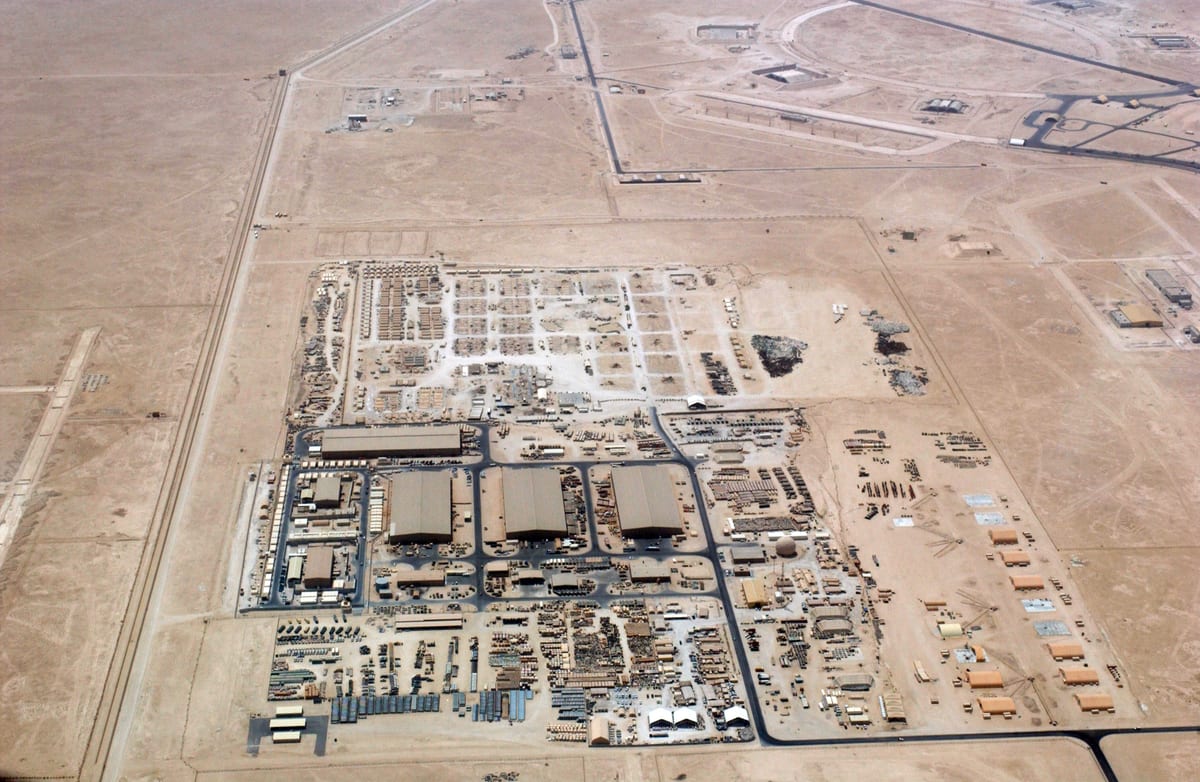
- Wikimedia Commons image sources and licenses for Doha skyline, Hamad International Airport, Al Udeid Air Base, and Doha Departures Terminal imagery.