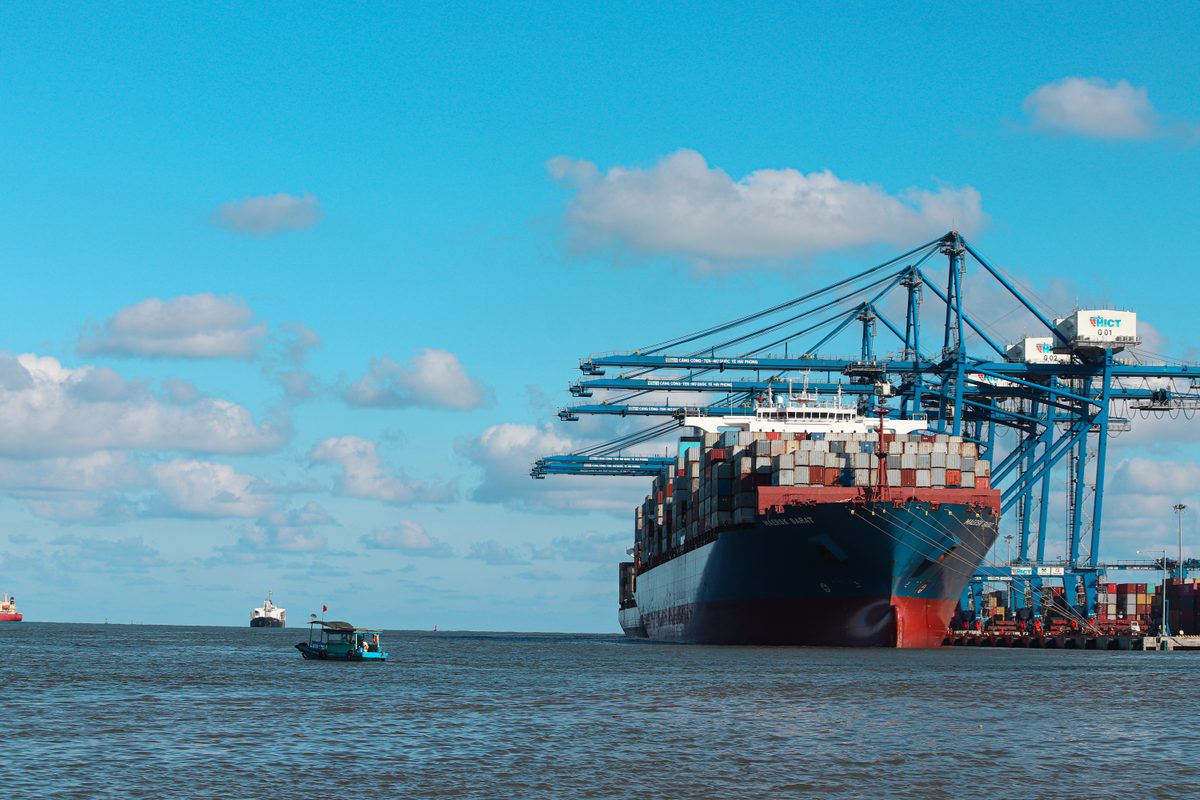
What is force majeure in shipping contracts?
Force majeure shipping contracts are now a first-order risk tool, not a boilerplate appendix, because route security changes can reprice an entire voyage before cargo even loads. In the first hours of a corridor shock, legal teams, operators, and traders all ask the same question: does the clause actually suspend obligations, or does it only protect one narrow type of non-performance? The answer depends on clause wording, the evidentiary record, and whether the event is framed as impossibility, illegality, or commercial danger under the agreed standard.
The practical point is simple. Force majeure is not automatic in most shipping workflows; it is a contractual path that must be invoked correctly. If the clause requires notice within 24 or 48 hours and the operations desk waits until the invoice dispute starts, the right can be lost even when the risk event is obvious. That is why sophisticated carriers now run pre-approved notification trees during escalation windows rather than treating notices as ad hoc legal correspondence.
Trigger design is where most disputes begin. One contract may list "war, hostilities, blockade, closure of channel, acts of state" and create a broad suspension right; another may require proof that performance became impossible, not merely more expensive. A third may split standards by function: loading can be suspended by safety designation, but payment obligations continue regardless. During live disruption, those drafting choices can move seven-figure liability between parties in days.
Public data reinforces why this matters in Gulf routes. The US Energy Information Administration's Strait of Hormuz analysis shows the corridor's throughput concentration for crude and LNG. When this chokepoint gets stressed, market actors face simultaneous pressure: insurance repricing, tighter scheduling windows, and heightened safety advisories. A weak force majeure clause cannot absorb that multi-variable shock; it only shifts the dispute later in the cycle.
Minimum clause elements worth negotiating before escalation
Operators usually protect themselves with five concrete elements: an explicit event list; a clear standard for when performance is suspended; a notice deadline tied to operational reality; a duty to mitigate without waiving rights; and a restart rule describing when obligations resume. If one of those elements is missing, force majeure turns into a legal argument instead of an operational instruction.
| Clause component | Why it matters | Common failure mode |
|---|---|---|
| Event definition | Controls what qualifies as force majeure | Too narrow to capture modern maritime security events |
| Performance standard | Defines suspension threshold | Confusion between impossibility and uneconomic performance |
| Notice protocol | Preserves contractual rights | Late or incomplete notices invalidate claims |
| Mitigation duty | Shows reasonable conduct | No documented rerouting or alternative port analysis |
| Resumption trigger | Ends suspension period cleanly | Open-ended disputes about when risk normalized |
Compared with pure news-driven explainers, this contract layer is where most cost recovery is won or lost. It complements the risk mechanics described in our war risk insurance shipping guide, but addresses a different problem: who bears those costs after the premium is quoted.
Who pays when war-risk premiums surge?
Payment allocation is primarily contract architecture, then bargaining power, and only then market custom. In tanker and bulk trades, charter-party language usually controls pass-through rights for additional premiums, route deviation costs, and extraordinary security expenses. In container flows, carriers often rely on tariff and service-contract provisions to impose temporary surcharges. The legal labels vary, but the economic question is constant: are incremental costs owner risk, cargo risk, or shared risk?
Escalation periods amplify an accounting mismatch. Premiums are paid immediately, while recovery may follow later billing cycles or contested invoice processes. If the contract leaves surcharge standards vague, treasury teams can be forced to fund large risk lines for weeks while legal teams argue about documentation. This working-capital stress is one reason smaller operators reroute sooner than large fleets, which then tightens capacity and increases freight volatility for everyone.
Clause design can reduce this. Strong agreements specify the formula for pass-through, the exact evidence needed, and the timing of payment. For example, a charter can require broker quote evidence plus advisory references, cap administrative uplift, and set a fixed settlement window. That turns a potential courtroom dispute into an auditable invoice process. In unstable corridors, that speed is a competitive advantage.
Readers tracking macro impact can connect this section to our broader market pages. The oil price shock explainer and gas price transmission analysis show that freight and insurance pass-through can move downstream prices even when physical supply continues flowing. Contract language governs how quickly those costs propagate.
Premium spikes are visible; liability transfer is hidden in clause wording and invoice timing.
Illustrative allocation outcomes under three clause structures
Assume a $150,000 additional premium and $90,000 rerouting cost for one voyage. Under owner-borne wording, owner absorbs most costs and protects cargo schedule reliability. Under pass-through wording, cargo interests pay with limited dispute if evidence is complete. Under ambiguous wording, both sides incur delay, legal cost, and invoice friction that can exceed the original premium delta.
- Owner-borne model: faster execution, lower dispute risk, weaker margin during sustained shocks.
- Pass-through model: better owner margin protection, but requires strict notice and audit discipline.
- Shared-cost model: politically easier to negotiate, but often hardest to operationalize without formula language.
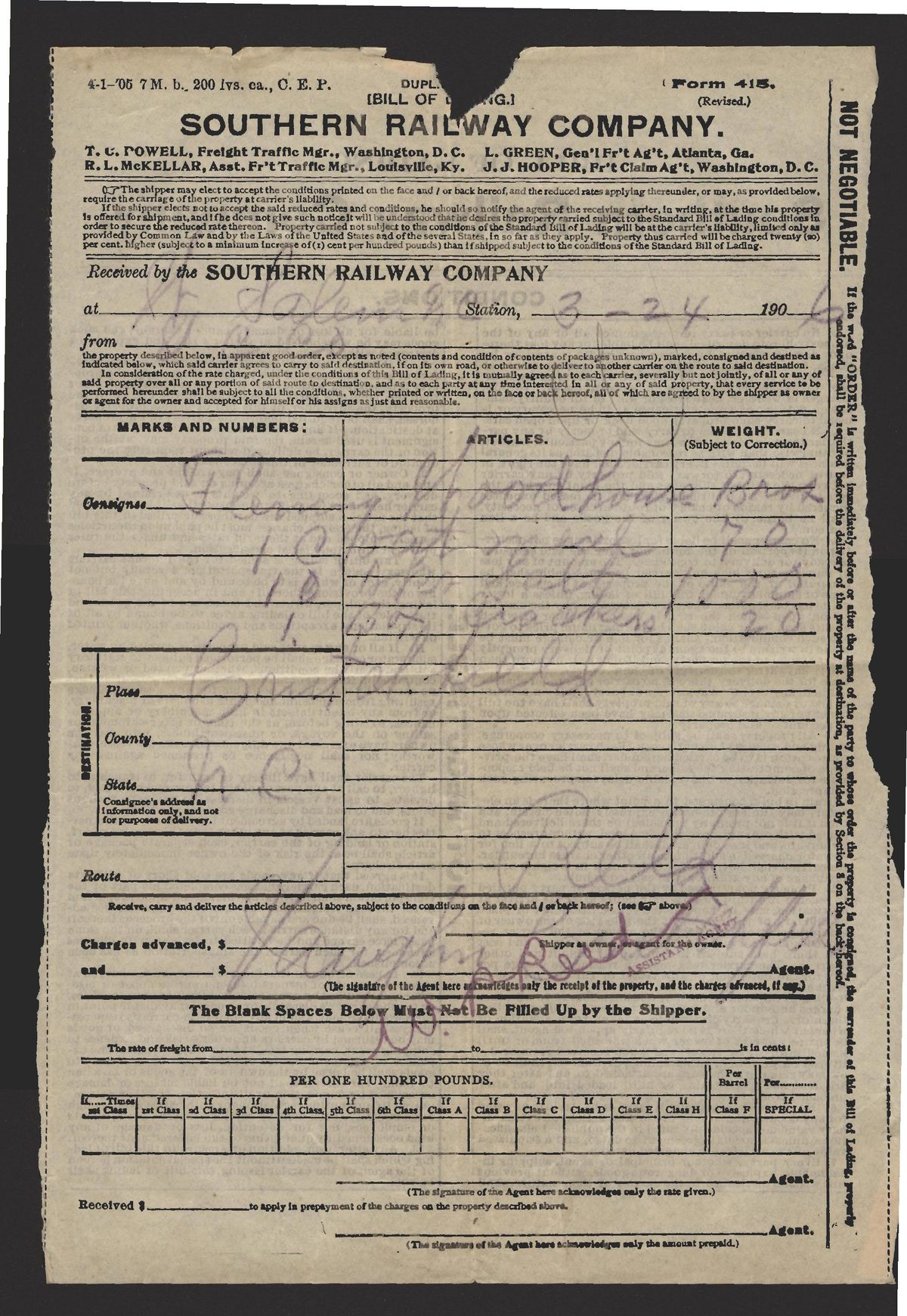
Can a vessel refuse a dangerous port call?
Yes, but only when contract language and evidence line up. Most modern charter forms include war-risk or unsafe-port protections, yet these rights are procedural rather than automatic. The master and owner generally need a defensible basis that the call exposes ship, crew, or cargo to a level of risk captured by the clause. In practice that means contemporaneous advisories, incident logs, and route threat evidence, not retrospective narrative.
The best operational sequence is structured: assess advisory sources, document risk rationale, issue formal notice with substitute routing options, and maintain a complete timeline for potential claims. This prevents the counterparty from framing the refusal as mere commercial preference. Official channels matter here. US MARAD advisories and UKMTO notices are frequently used as objective evidence when risk status changes.
Port refusal rights also intersect with sanctions compliance and insurance triggers. If a listed-area declaration is required, and the voyage cannot be insured on acceptable terms, owners may have layered grounds to reject the call. But if notices are mishandled, counterparties can still challenge liability outcomes. This is why high-performing teams integrate legal and operations desks instead of treating contract rights as post-event cleanup.
Decision test used by many operators
Risk committees often run a four-part test before refusing a call: (1) objective threat signal increase, (2) clause trigger match, (3) mitigation alternative available, and (4) documented communication trail. If any part is missing, refusal becomes harder to defend. The process resembles incident command more than traditional contract administration.
For route context, compare this legal lens with our Strait of Hormuz shipping risk scenarios page. That page models what might happen physically; this page explains how parties allocate the legal and financial consequences once disruption arrives.
How do demurrage and delay claims change in conflict periods?
Demurrage can become the most contentious cost line in escalation phases because waiting time accumulates quickly and causal attribution is messy. Some contracts treat demurrage as payable "in any event," effectively insulating it from force majeure. Others suspend laytime or demurrage when delay is caused by listed conflict events. The difference is not semantic; it determines whether days of port congestion become recoverable invoices or stranded losses.
The recurring error is mixing legal causation with operational chronology. To preserve a defense, parties must show that delay flowed directly from a covered event and that mitigation was attempted. Evidence such as terminal closure notices, pilotage suspension, security directives, and vessel movement logs is critical. Without records, even a legitimate claim can fail because timing and causation cannot be reconstructed cleanly.
Demurrage treatment should also align with broader service obligations. If force majeure suspends loading but not payment, commercial pressure can still build despite legal protection. Negotiators can reduce this by adding targeted carve-outs: capped demurrage windows, shared-delay formulas, or mandatory renegotiation triggers once disruption exceeds a defined threshold.
Conflict-delay evidence checklist
- Advisory archive: timestamped copies of security and navigation advisories used for decision-making.
- Port communications: written notices on closures, berth constraints, inspection delays, or curfews.
- Voyage logs: AIS track, speed changes, and rerouting decisions linked to risk events.
- Notice compliance: sent time, recipient proof, and clause references for each formal notice.
- Cost ledger: separated line items for premium, bunker, waiting, and security to simplify allocation.
This evidence-first posture shortens settlement cycles and lowers litigation risk, especially when several voyages are affected simultaneously.
What clause package works best in 2026 Gulf risk cycles?
No single clause solves every route profile, but robust packages share a consistent architecture: explicit war-event triggers, unsafe-port refusal mechanics, premium pass-through formula, demurrage treatment, and sanctions/compliance alignment. The package should read like an operating manual, not a legal essay. If operations teams cannot apply it in real time, it is too abstract for crisis use.
Industry references help anchor drafting choices. The BIMCO clause library and the ICC force majeure framework provide tested language patterns, while the IMO security resources supply operational context for maritime threat controls. Teams should adapt these references to voyage type and counterparty risk rather than copying clauses unchanged.
From a negotiation standpoint, the most effective strategy is phased alignment. First, agree event definitions and evidentiary standards. Second, agree cost-allocation formulas and payment timing. Third, agree restart conditions and dispute escalation rules. This prevents late-stage collapse where parties agree on principles but disagree on money movement and documentation.
Counterparties also need a communication protocol during live incidents. A clause package without communications governance often fails because notices are delayed or incomplete. Defining single points of contact, approved channels, and response times reduces preventable friction during high-velocity events.
Model negotiation priorities by stakeholder
| Stakeholder | Primary objective | Clause priority |
|---|---|---|
| Shipowner | Protect vessel, crew, and balance sheet | Unsafe-port right + premium pass-through + sanctions protection |
| Charterer | Preserve cargo flow and cost predictability | Transparent surcharge formula + documentary audit rights |
| Cargo owner | Limit landed-cost volatility | Defined caps, renegotiation triggers, and alternative-routing options |
| Financier/insurer | Maintain covenant and claims discipline | Notice compliance, risk controls, and documented mitigation |
Teams that negotiate this package before a volatility spike usually out-execute teams that wait for first impact. The value is not theoretical; it appears in cash timing, claim recovery speed, and continuity of trade through unstable weeks.
FAQ
What is force majeure in shipping contracts?
In shipping, force majeure is a contractual clause that reallocates performance duties when extraordinary events make performance impossible, illegal, or commercially unsafe under agreed wording. It is not automatic; parties must meet trigger language and notice requirements in the contract. If notice is late, protection can fail even when the event is genuine.
Who pays when war-risk premiums surge?
Allocation follows the charter-party and related sales contract, but many structures permit pass-through when the owner provides required documentation and timely notice. Weak language usually causes delayed reimbursement and invoice disputes. Strong formulas and audit standards speed payment.
Can a vessel refuse a dangerous port call?
Often yes, if the contract includes unsafe-port or war-risk rights and objective evidence supports the risk threshold. Operators should issue formal notice, cite advisories, and propose alternatives to preserve rights. Refusal without process is harder to defend.
Does force majeure remove demurrage liability?
Not by default. Some agreements keep demurrage payable in all cases, while others suspend or cap liability for covered conflict delays. The contract's exact demurrage and laytime language controls the result.
How should cargo owners negotiate force majeure clauses in 2026?
Cargo owners should negotiate event definitions, surcharge formulas, evidence standards, and timing rules in one package, then align those terms with insurance and sanctions obligations. Adding clear renegotiation triggers for prolonged disruption can reduce litigation risk and protect supply continuity.
Sources
- US Energy Information Administration, Strait of Hormuz chokepoint analysis. eia.gov
- US Maritime Administration advisories and alerts. marad.dot.gov
- UK Maritime Trade Operations notices. ukmto.org
- BIMCO clauses and contract resources. bimco.org
- ICC Force Majeure Clause framework. iccwbo.org
- International Maritime Organization security resources. imo.org