Is Jordan safe to travel right now?
Is Jordan safe to travel is a high-intent question because travelers are balancing legitimate concern with non-refundable plans. The most accurate operational answer in April 2026 is that Jordan remains broadly functional for tourism and business, but risk is no longer static. What changed is not that every district in Jordan suddenly became inaccessible; what changed is that regional conflict can alter flight paths, advisory language, embassy posture, and road assumptions quickly enough to break rigid itineraries.
That distinction matters. Many travelers still frame safety as a binary yes or no. In conflict-adjacent conditions, a better model separates personal security risk from continuity risk. Personal security risk in core areas of Amman and major tourist corridors can remain manageable. Continuity risk can still be moderate to high because airspace shifts, late airline network edits, and temporary movement restrictions can occur even when hotels, restaurants, and tour sites are open.
If you have already read our Gulf guides like Abu Dhabi safety planning and Qatar safety planning, the same logic applies here: the most common traveler loss is schedule integrity, not direct exposure to frontline activity. In practical terms, that means your first objective should be keeping multiple viable return paths, not proving that risk is zero.
Jordan's geography drives this reality. It sits near active theaters, shares proximity to multiple borders that can tighten quickly, and depends on regional aviation systems that react in near real time to missile and drone warnings. None of that means routine tourism is impossible; it means unprepared tourism is fragile. Travelers who carry flexible booking conditions, route alternatives, and alert discipline consistently recover faster when plans break.
| Risk dimension | Typical baseline | Escalation window impact |
|---|---|---|
| City-level day-to-day activity | Generally stable in major hubs | Higher visible security and stricter controls |
| Arrival and onward flights | Normal throughput at Queen Alia | Reroutes, delays, and tighter connection margins |
| Road itinerary confidence | Strong for planned circuits | Higher value in daylight and buffer-heavy plans |
| Consular posture | Routine assistance profile | Faster guidance changes and cautionary notices |
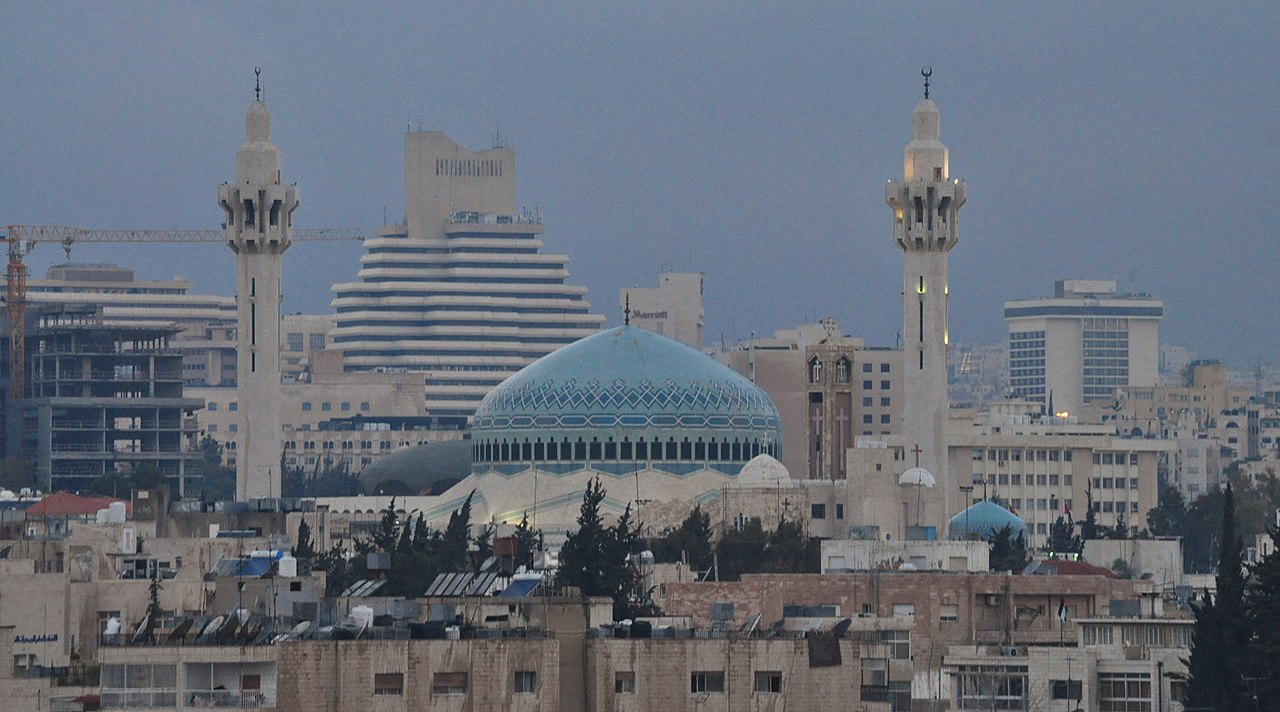
What do official Jordan travel advisories actually mean?
For decision quality, government advisories are your base layer because they blend diplomatic reporting, threat analysis, and operational consular planning. The U.S. State Department Jordan advisory and the UK FCDO Jordan advice page should be read in full, not skimmed by level label alone. Travelers who only read the headline level often miss the precise geographic constraints and transport notes that determine whether their specific itinerary is resilient.
One of the biggest errors is treating advisory levels as predictive certainty. They are not forecasts; they are risk snapshots with policy implications. A level change can happen after infrastructure conditions have already started shifting, and it can also remain unchanged while airline behavior deteriorates. That is why advisories should be paired with live carrier notices and route availability checks in the final 72 hours before departure.
The second error is ignoring border and corridor detail. Advisory text often includes special cautions for specific border regions, named roads, or refugee-camp zones. Those details matter because a traveler can be compliant in central Amman but still violate best-practice routing by planning high-sensitivity approaches without realizing it. The operational rule is simple: if your route intersects a named caution zone, redesign the route first and optimize convenience second.
Compared with generalized social media narratives, advisories also provide clearer escalation triggers: official staff movement changes, event-specific alerts, and legal environment reminders. Use those triggers as your personal threshold system. When two or more signals move in the same direction, shift your plan immediately rather than waiting for perfect clarity. In most disruptions, the cost of late action exceeds the cost of early adjustment.
How to interpret advisory shifts without overreacting
| Signal | What it usually implies | Traveler action |
|---|---|---|
| Language hardens but flights continue | Risk tempo rising, continuity still possible | Keep trip flexible, increase monitoring cadence |
| Consular staffing posture changes | Operational caution is escalating | Lock fallback lodging and alternate outbound route |
| Carrier waivers expand | Network stress likely to grow | Rebook proactively if itinerary is tightly chained |
| Multiple official alerts in 24-48h | Fast-moving environment | Switch to conservative routing assumptions |
Is Amman and Queen Alia Airport safe for arrivals and layovers?
Amman remains the operational anchor for most Jordan itineraries, and Queen Alia International Airport is still the most important entry point for long-haul arrivals. In normal conditions it supports efficient transfers, but during regional tension it can absorb secondary effects from airspace rerouting and fleet-positioning constraints. This does not mean the airport is collapsing; it means connection timing assumptions that worked six months ago may now be too aggressive.
Travelers should distinguish three separate questions. First: is the terminal environment secure and functioning? Usually yes. Second: can your carrier maintain published schedules under external route pressure? Not always. Third: do you have enough timing and financial flexibility if your first plan fails? This is where most trips break down, especially when passengers choose the shortest possible transfer and single-point return options.
A practical rule is to widen connection buffers and avoid fragile multi-leg chains where one late inbound segment destroys the rest of the journey. Same-ticket itineraries with alliance backup generally outperform split tickets during stress periods because re-accommodation rights are clearer. If your route includes a late-night arrival plus a long road transfer the same evening, consider inserting an overnight buffer in Amman instead of forcing a narrow handoff.
Operationally, you should track not only your flight number but also the aircraft's inbound leg and route history in the day before departure. If the aircraft is already rotating through delayed sectors, your risk is higher before you even leave home. This approach aligns with our airspace conflict-zone routing analysis, which shows how delay propagation, not just headline events, drives missed itineraries.
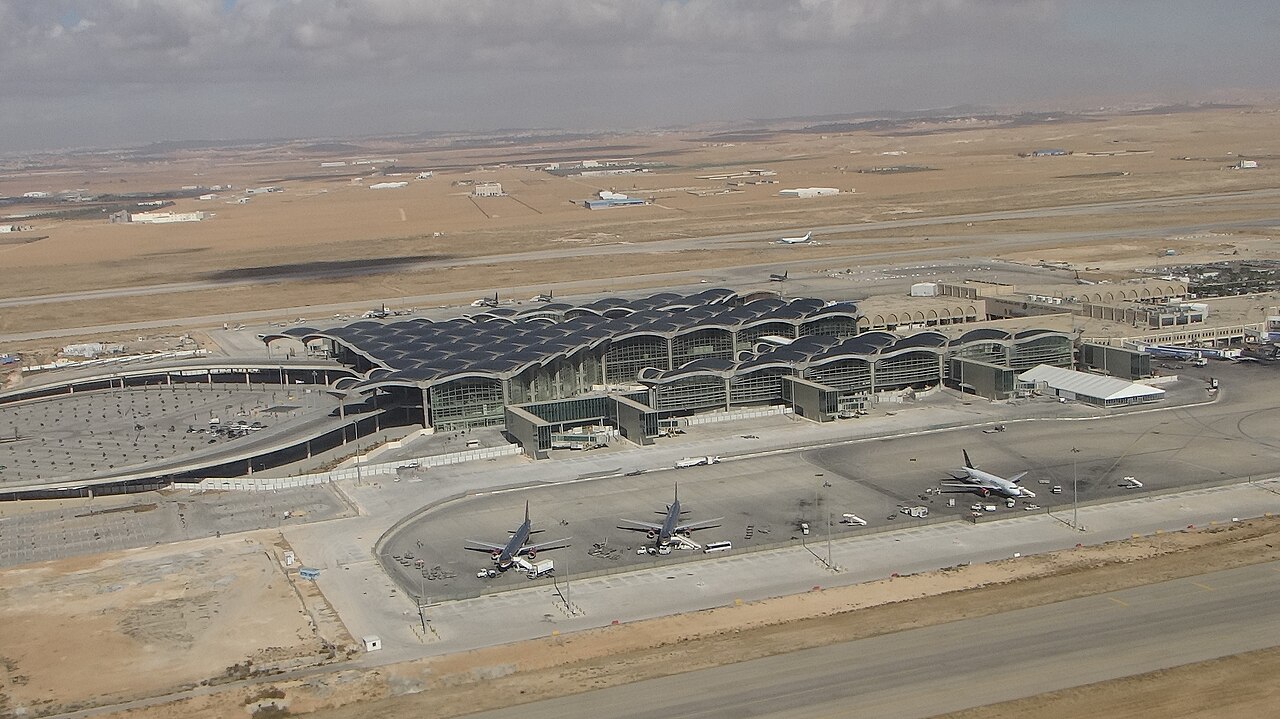
Layover decision matrix
| Layover profile | Risk in stable periods | Risk in escalation periods |
|---|---|---|
| Sub-90 minute transfer | Often workable | High miss probability |
| 120-180 minute transfer | Usually comfortable | Moderate but manageable |
| Overnight self-transfer | Less efficient | Best resilience if flexible booking |
| Split tickets, different alliances | Cost-efficient sometimes | Highest rebooking and cost shock risk |
Even if you are a frequent traveler, conflict-adjacent conditions reward conservative design. Build the trip you can recover, not just the trip you hope runs perfectly.
Is it safe to visit Petra and move around Jordan by road?
For many visitors, the real question is not only "is Jordan safe to travel" at arrival but whether iconic destinations like Petra remain practical once on the ground. Petra can still be visited in many periods of regional tension, but road planning and timing discipline become much more important. The highest-probability failure mode is not site-level closure; it is route stress, late arrivals, and compressed return plans after flight changes.
Jordan's tourism circuit often includes Amman, Madaba, Petra, Wadi Rum, and Aqaba. In calm periods, that sequence is straightforward. In volatile periods, travelers should shift from speed-first planning to resilience-first planning. That means avoiding overpacked one-day jumps, favoring daylight legs, and preserving a final-day buffer near your departure airport. If an outbound flight shifts suddenly, travelers who end their trip far from Amman without buffer time absorb the largest cost and stress shock.
Road risk also includes fatigue and communication gaps. Travelers sometimes underestimate how quickly a delayed inbound flight plus immediate long drive can degrade decision quality. A better approach is to anchor the first night near arrival, then move south after rest and updated situational checks. It is less glamorous than an immediate sprint itinerary, but far safer operationally.
In Jordan during regional tension, itinerary resilience beats itinerary density. One fewer stop usually means one fewer failure point.
For destination-specific preparedness, compare this with our Oman travel safety playbook and Bahrain safety framework. The pattern is consistent across the region: local tourism infrastructure can remain functional while transport assumptions become fragile. Planning that reality explicitly is the difference between a controlled adjustment and a crisis rebooking spiral.
Ground-mobility controls that materially reduce risk
- Schedule long intercity drives only in daylight windows.
- Keep at least one uncommitted half-day before international departure.
- Carry offline maps and backup data access for route changes.
- Use licensed drivers or vetted transport operators for longer legs.
- Avoid border-adjacent detours not essential to your itinerary.
- Set a hard cutoff time after which you postpone same-day long-distance moves.
These controls are simple, but they are where measurable risk reduction happens. Most travelers do not need military-style planning; they need realistic timing assumptions and predefined decision points.
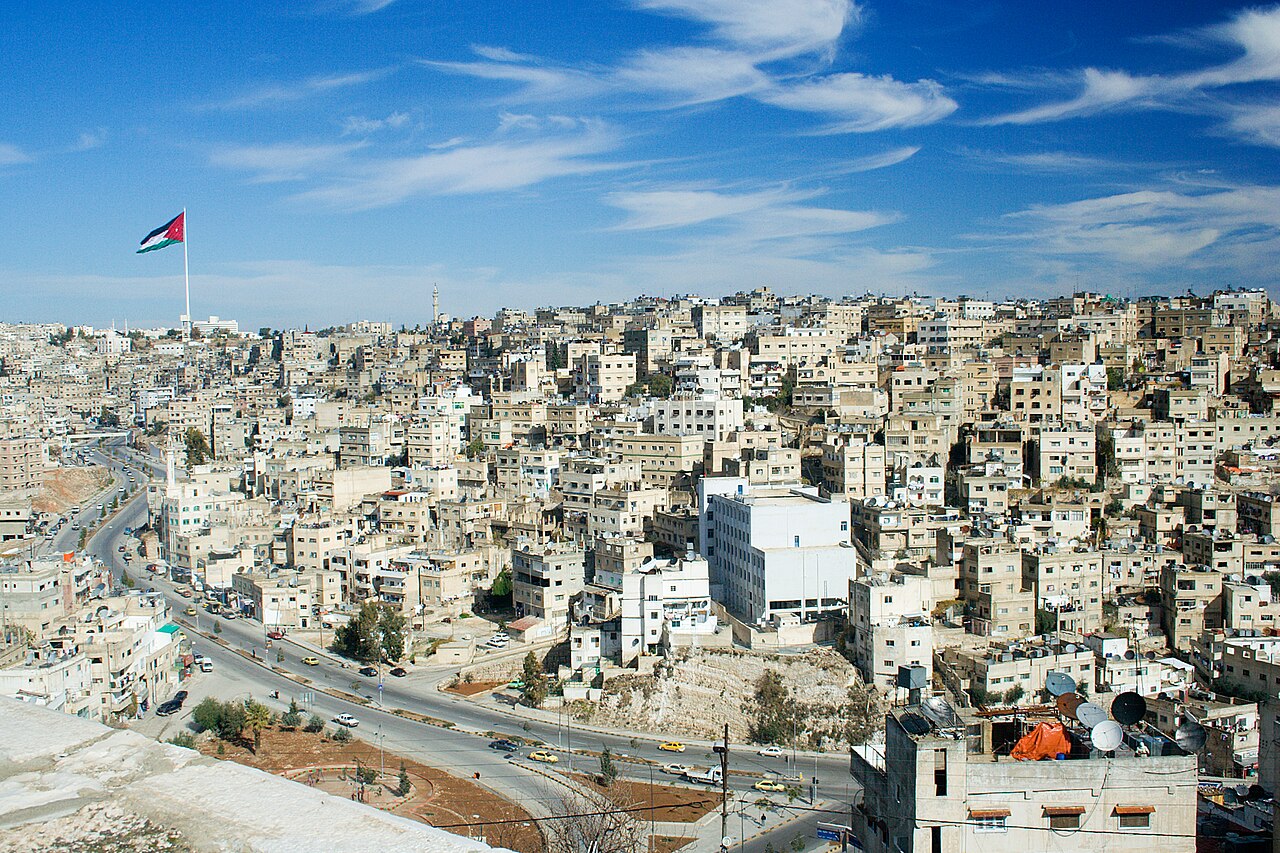
How to build a Jordan travel risk plan that works under pressure
A strong Jordan plan is short, concrete, and executable from your phone in minutes. Start by defining your trip type: essential or discretionary. If discretionary, set clear cancellation thresholds before you get emotionally invested. If essential, decide what level of disruption you can absorb in time and budget terms. This pre-commitment prevents expensive last-minute decision errors driven by uncertainty and sunk-cost bias.
Next, build a three-layer control stack. Layer one is advisory intelligence: monitor at least one home-government advisory and one second-source government advisory daily. Layer two is transport intelligence: track airline waivers, cancellation patterns, and route-time inflation in the final 72 hours before outbound and return flights. Layer three is financial resilience: carry flexible fare conditions, refundable lodging where possible, and explicit emergency funds for delays and rerouting.
Travel insurance deserves direct attention. Many travelers buy policies assuming broad disruption coverage, then discover war-linked exclusions too late. Review what is covered for delay, interruption, and medical evacuation versus what is excluded for declared conflict zones or government advisories. If coverage language is ambiguous, clarify it in writing before travel. This step alone can prevent major out-of-pocket losses.
Communication resilience is equally important. Keep embassy contact numbers, family escalation contacts, and carrier support channels saved both digitally and offline. During surge events, app push notifications can lag or fail; an offline copy of critical contacts and booking references saves time when networks are stressed.
Finally, define your return strategy as seriously as your outbound strategy. In unstable periods, outbound routes are often easier to secure than return routes. Keep at least one alternate return airport or date window identified before you depart. If conditions degrade, early rebooking is usually cheaper and cleaner than waiting for mass cancellation waves.
Traveler playbook in one view
| Phase | What to do | Why it matters |
|---|---|---|
| 7-10 days pre-trip | Check advisories, policy terms, and route alternatives | Creates decision room before penalty windows narrow |
| 72 hours pre-departure | Reconfirm flights, monitor waivers, adjust buffers | Most actionable disruption signals appear here |
| In-country daily | Refresh advisory and carrier alerts each morning | Prevents surprise exposure to same-day changes |
| 48 hours pre-return | Confirm seat status and backup return option | Reduces risk of getting trapped in queue spikes |
If you want full strategic context before finalizing plans, review our Iran-Israel-Dubai conflict guide and regional risk briefing. Those pages help you compare Jordan-specific decisions against wider transport and escalation indicators.
FAQ
Is Jordan safe to travel right now?
Jordan can be travelable for prepared visitors, but assumptions should be updated daily because regional conflict can change route and advisory conditions quickly. Most travelers face continuity risk before personal security risk. Plan for delay and reroute scenarios before departure.
Is Amman safe for tourists during Iran tensions?
Amman is generally active for normal tourism and business movement, though security posture can tighten during escalation periods. Follow official guidance and avoid improvising around sensitive zones. Keep itinerary flexibility in case transport conditions shift.
Is Queen Alia International Airport safe for layovers?
The airport remains a major operating hub, but layover reliability can degrade when regional airspace is rerouted. Use wider transfer windows and avoid brittle split-ticket chains. A same-ticket itinerary usually offers better protection if delays cascade.
Is it safe to visit Petra right now?
Petra can remain accessible while regional tensions continue, but itinerary design is critical. Daylight road travel, overnight buffers, and conservative return timing significantly reduce stress and disruption risk. Site access is not the only variable; transport continuity is the bigger issue.
Should you postpone non-essential travel to Jordan?
If your trip cannot absorb abrupt route changes, overnight delays, or higher rebooking costs, postponing can be the lower-volatility choice. If travel is essential, use flexible bookings and preplanned alternatives. Deciding thresholds early is better than reacting under pressure.
Sources
- U.S. Department of State, Jordan Travel Advisory. travel.state.gov
- U.S. Department of State, Jordan Country Information. travel.state.gov
- UK Foreign, Commonwealth & Development Office, Jordan travel advice. gov.uk
- U.S. Federal Aviation Administration, U.S. restrictions and notices for air operations. faa.gov
- Wikimedia Commons licensed images: Queen Alia International Airport (CC BY-SA 3.0), Amman skyline (CC BY 2.0), and Amman citadel city view.