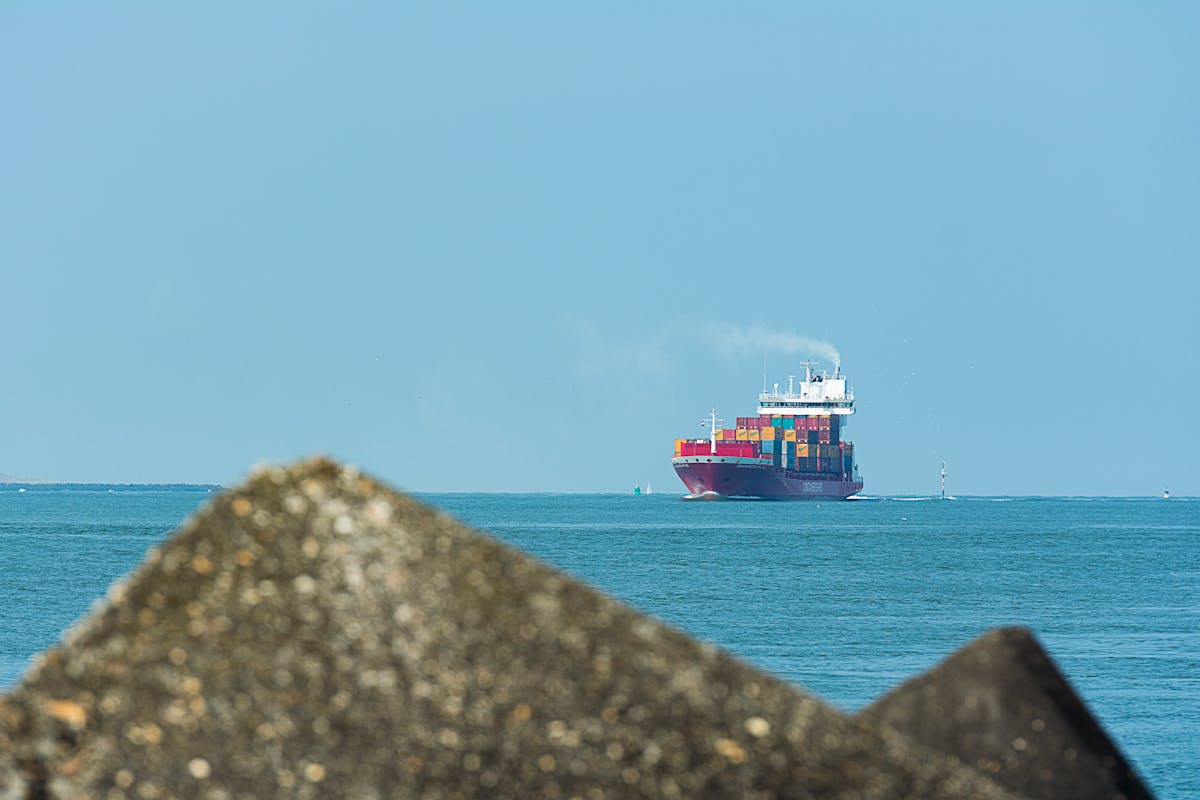
VOYWAR 2025 explained at working level is a voyage charter war risk clause that governs what happens when a nominated voyage, route, loading port, discharge port, or remaining transit exposes the vessel, cargo, crew, or people on board to defined war risks. It sits inside the wider family of BIMCO war risk clauses, but it is not the same as CONWARTIME. VOYWAR is built around a voyage bargain: a particular cargo movement, a particular freight basis, and a set of loading and discharge expectations that can be disrupted if risk conditions change before, during, or after loading.
What is VOYWAR 2025 and when does it apply?
The updated clause matters because many maritime disruptions do not begin with a formal port closure. They begin with insurer notices, naval warnings, route advisories, or credible threat reporting that makes the original route commercially and operationally unsafe. The BIMCO VOYWAR 2025 clause page makes clear that the 2025 revision was designed to align the older wording with current trading practice and transparency needs. For operators, that means the clause is not just legal boilerplate. It is a decision sequence for risk, routing, cost evidence, and cargo release.
The definition of war risks remains broad. It can include actual, threatened, or reported warlike events, hostilities, mines, piracy, violent robbery, capture, seizure, terrorist acts, malicious damage, and blockades when the master or owners reasonably judge the exposure dangerous. The important word is "reasonably." VOYWAR does not create a free option to avoid an inconvenient voyage because freight economics changed. It creates a documented safety and risk-allocation framework when defined dangers alter the assumptions behind the voyage charter.
Why VOYWAR is a different tool from force majeure
VOYWAR and force majeure shipping contracts often appear in the same dispute file, but they answer different questions. Force majeure asks whether performance is prevented, delayed, or excused under a broader contractual event. VOYWAR asks whether a voyage charter party should proceed into a war-risk area, switch route, nominate another safe port, adjust freight, or reimburse defined insurance costs. If teams blur those issues, they tend to send overbroad reservation letters instead of making the specific voyage decisions the clause requires.
| Question | VOYWAR 2025 focus | Commercial consequence |
|---|---|---|
| Is the original route now dangerous? | Reasonable judgment of master or owners under defined war risks | Potential refusal, deviation, or alternative route |
| Can charterers still nominate alternatives? | Clause timing and safe-port response rights | Voyage may continue with revised instructions |
| How is freight adjusted? | Estimated time and expense effects documented by owners | Debit, credit, or reimbursement within the clause timetable |
| Who pays added cover? | Insurance costs for entering, passing through, or remaining in an exposed area | Charterer reimbursement if the clause trigger is met |
This is the practical reason VOYWAR deserves its own page. A time-charter analysis starts with employment orders and hire continuity. A voyage-charter analysis starts with route safety, freight mechanics, bills of lading, and cargo security. Those are different workflows even when the same missile threat, closure warning, or insurer listing is driving the dispute.
How does VOYWAR 2025 calculate adjusted freight?
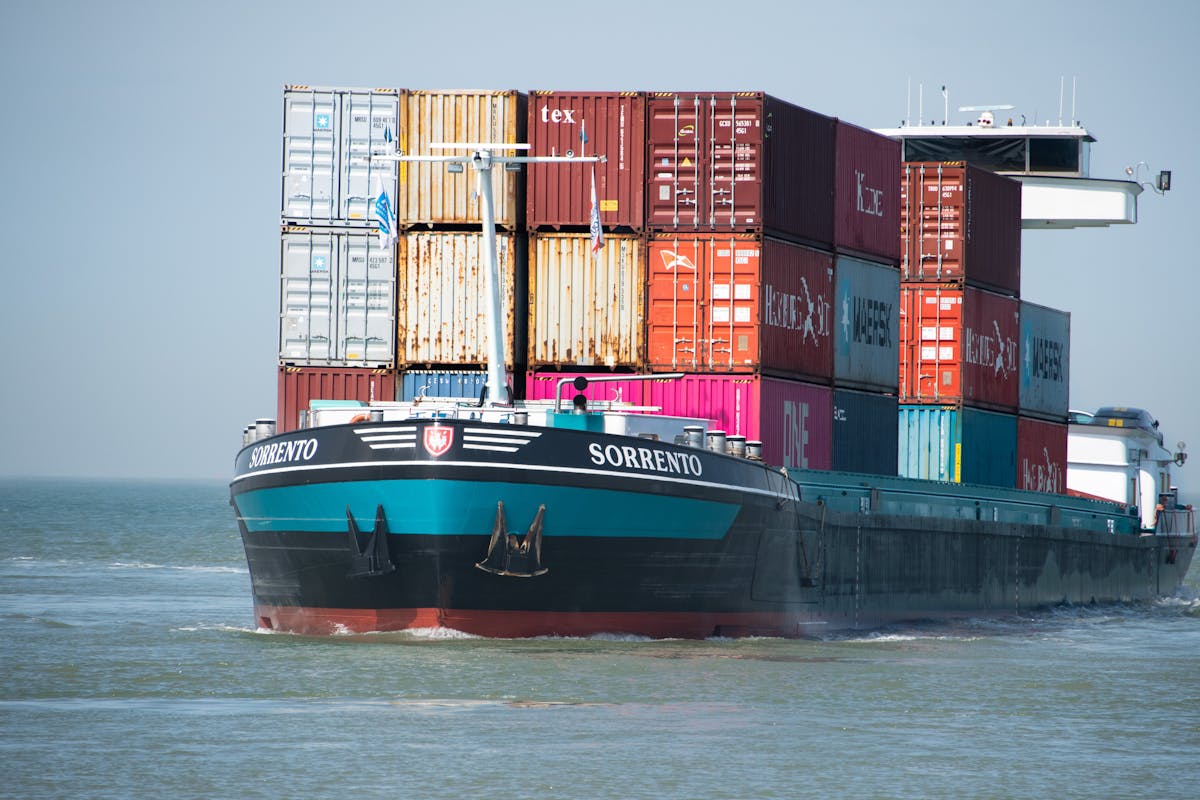
The freight adjustment is the headline commercial change. Older VOYWAR wording used a more mechanical distance approach that looked to whether the alternative route exceeded the customary route by more than 100 miles. VOYWAR 2025 moves away from that rough distance trigger. The new model adjusts freight based on estimated time and expenses incurred or saved because of the alternative route, with the owners expected to support the calculation with documents.
That change makes the clause more realistic. A 120-mile deviation through congested, high-bunker, security-sensitive waters can cost more than a longer but faster open-sea route. A longer route may also save money if it avoids convoy waiting time, war-risk premium, port closure delay, or a risky anchorage. The new formula asks a better commercial question: what did the safer route actually add or save when measured against the voyage bargain?
BIMCO's 2025 webinar on the war-risk revisions highlighted this "open book" freight concept as one of the notable voyage-charter updates. The clause makes adjusted freight payable or reimbursable within a defined seven-calendar-day framework tied to owner invoice support and bill of lading issuance. That timing matters because the cost decision happens while cargo interests, banks, receivers, and charterers are all trying to keep the shipment moving.
What should the freight file include?
A strong adjusted freight file does not need to be complicated, but it must be complete. The baseline should show the original route, expected duration, bunker assumptions, port rotation, and freight basis. The alternative route file should show the risk event, decision time, route selected, incremental time, bunker delta, port or canal changes, security costs, and any savings. Owners should avoid bundled numbers that combine unrelated cost lines. Charterers should avoid refusing payment merely because a deviation was unwelcome if the evidence is clause-compliant.
| Evidence item | Why it matters | Best practice |
|---|---|---|
| Original route plan | Creates the comparison baseline | Attach voyage estimate and fixture assumptions |
| Risk trigger record | Explains why the route changed | Log advisory, insurer notice, or threat reporting timestamp |
| Alternative route estimate | Supports added or saved time and cost | Separate bunker, port, canal, and waiting time effects |
| Owner invoice support | Starts the payment review cycle | Use line-item documents rather than a single unsupported lump sum |
| Bill of lading issuance date | Can affect the payment trigger | Keep document timing in the freight file, not a separate legal folder |
For cargo owners, this is where VOYWAR connects directly with war risk surcharge shipping. A carrier surcharge is a commercial tariff line; VOYWAR adjusted freight is a charterparty mechanism. Both can hit the same shipment, but they are not the same charge. If procurement teams treat every war-risk invoice as one generic bucket, they lose the ability to challenge unsupported lines while approving valid ones quickly.
Who pays insurance costs under VOYWAR 2025?
Under VOYWAR 2025, charterers are generally responsible for reimbursing insurance costs when the vessel proceeds to, through, or remains in an area exposed to war risks under the clause. The updated wording defines insurance costs more clearly and includes additional war-risk premiums and additional kidnap-and-ransom insurance connected to the exposed area. The 2025 revision also increases the documentation burden on owners: if requested, they should be able to show that they used reasonable efforts to obtain appropriate cover and terms, including premium terms.
This is a significant practical protection for charterers. It does not mean charterers can second-guess every underwriting decision after the fact, but it does mean pass-through demands should come with a reasonable evidence trail. An invoice that simply says "war risk" is not enough for a disciplined finance team. The evidence should tie the charge to the area, voyage dates, vessel, policy or endorsement, and risk reason. If the vessel discharges all cargo inside an area where insurance costs apply, the clause can also extend reimbursement to actual insurance costs from completion of discharge until the vessel leaves that area.
The Shipowners' Club summary of CONWAR and VOYWAR revisions emphasizes the common 2025 themes: clearer area and insurance-cost definitions, transparency around premiums, and broader operational discretion to follow relevant security guidance. Those themes reflect how modern security risk is priced. Insurers, owners, and charterers are not only reacting to a closure; they are pricing probability, severity, and route concentration.
Insurance costs are not the same as total disruption cost
VOYWAR insurance-cost reimbursement should be separated from other disruption costs. Additional premium belongs in one bucket. Rerouting time and expense belong in the adjusted freight bucket. Port delay, detention, or storage belongs in another bucket that may be governed by separate terms. This separation keeps disputes focused. It also prevents a valid premium claim from being delayed because another party is challenging an unrelated cargo delay line.
In VOYWAR disputes, the fastest files separate premium, route delta, and delay spillover before anyone argues liability.
| Cost bucket | Likely controlling logic | Document to request |
|---|---|---|
| Additional war-risk premium | Insurance-cost reimbursement under VOYWAR | Insurer quote, policy endorsement, premium invoice |
| Additional K&R cover | Insurance-cost definition if tied to exposed area | Coverage proof and voyage-specific necessity |
| Alternative route fuel/time | Adjusted freight mechanism | Voyage estimate, bunker delta, route comparison |
| Port or terminal delay | Demurrage, detention, laytime, or sale contract terms | Terminal records, NOR timing, cargo availability evidence |
That last line is why VOYWAR files should be coordinated with the team's demurrage and detention charges controls. War-risk decisions often create secondary delay, but secondary delay does not automatically follow the same payment rule as insurance cost. Clean classification protects both sides.
Can owners refuse unsafe voyage orders after loading starts?
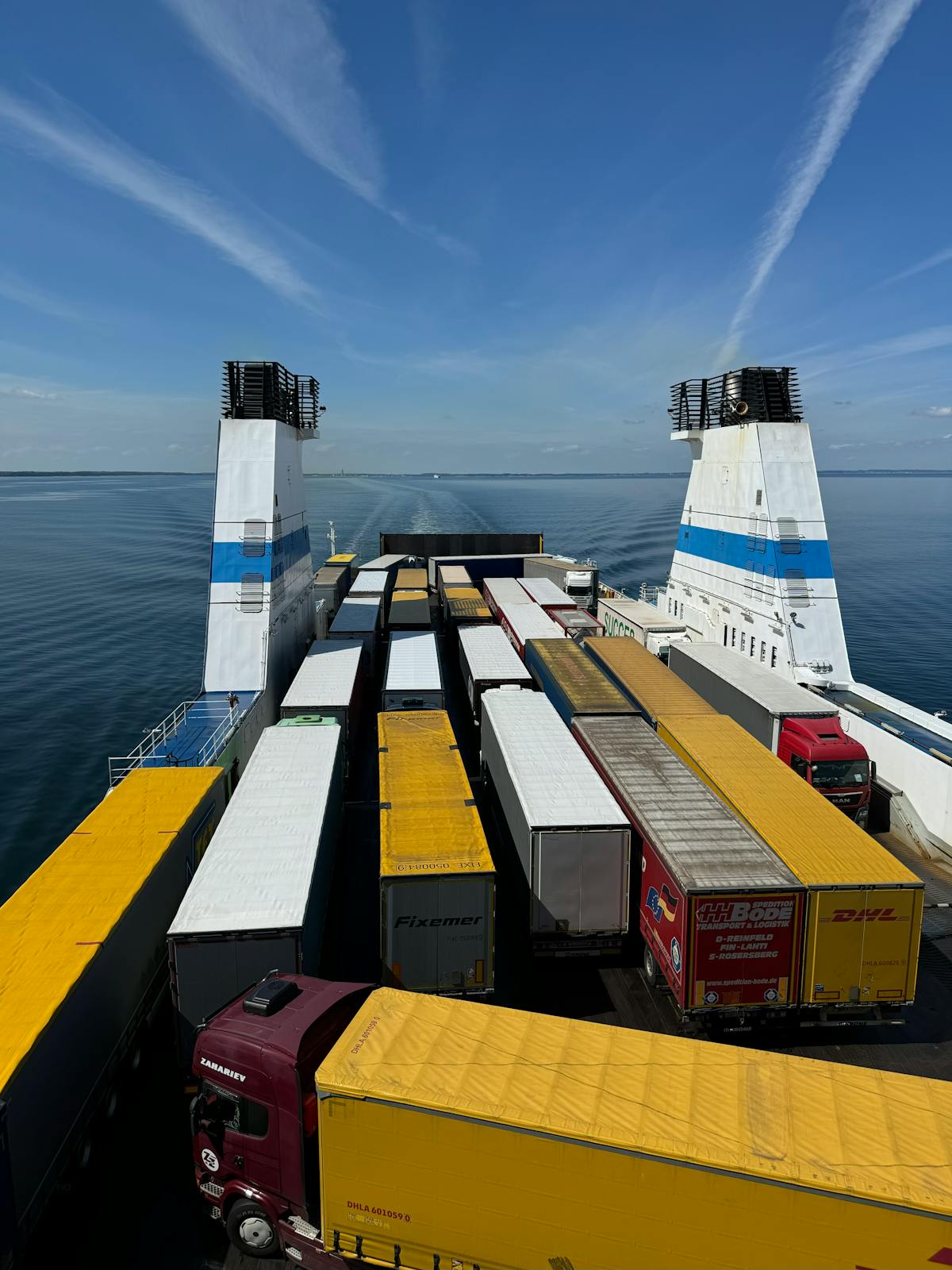
Yes, but the answer depends on timing and evidence. One reason VOYWAR 2025 matters is that war risk may emerge before loading, during loading, after loading, or while the vessel is already on the laden voyage. A clause that only contemplates danger before the fixture or before arrival is not enough for modern escalation cycles. Threat conditions can change in hours, and the commercial consequences differ depending on whether cargo is still ashore, partly loaded, fully loaded, or already moving toward discharge.
Owners and masters need to connect refusal or alternative routing to the clause test. The question is not whether the world feels dangerous. The question is whether actual, threatened, or reported war risks make the ordered voyage or place dangerous, or potentially dangerous, to the vessel, cargo, crew, or others on board in the reasonable judgment of the master or owners. Evidence should be contemporaneous: insurer notices, naval warnings, route advisories, port circulars, threat reports, or documented operational constraints.
Charterers should respond with equally specific alternatives. A general objection that "the port is still open" may not be enough if the risk concern is route transit, anchorage exposure, or a selective blockade risk. Conversely, owners should not use a vague threat environment to demand a materially better commercial bargain. VOYWAR works best when both parties treat the clause as a decision tree: identify risk, give notice, nominate alternatives where available, document costs, and preserve rights without stopping the operational clock.
Timing scenarios that change the response
| Timing | Typical issue | Recommended first response |
|---|---|---|
| Before loading starts | Whether the vessel should proceed to load at all | Request alternative safe port or confirm cancellation pathway under the clause |
| During loading | Whether partial cargo creates new cost and release problems | Freeze document timeline and decide whether loading continues, stops, or shifts |
| After bills of lading issue | Whether adjusted freight and lien rights affect cargo release | Coordinate charterer, receiver, bank, and owner communications immediately |
| During laden voyage | Whether rerouting is reasonable and payable | Build route comparison and invoice support while the vessel remains underway |
Route risk should also be compared against the physical scenarios in our Strait of Hormuz shipping risk scenarios guide. Contract teams do not need to become naval analysts, but they do need to understand whether the risk is port-specific, chokepoint-specific, flag-specific, cargo-specific, or area-wide. That classification changes the alternatives available under a voyage charter.
How do cargo lien and bill of lading timing change risk?
The cargo lien is one of the most commercially important VOYWAR 2025 details. The updated freight adjustment mechanism gives owners a lien on cargo for adjusted freight. That matters because the dispute may no longer be a purely bilateral owner-charterer invoice fight. Once cargo release is implicated, receivers, banks, traders, insurers, and customer service teams may all be pulled into the timeline. A modest documentation gap can become a major cash-flow issue if cargo is delayed at destination.
Bill of lading timing is equally important because the clause payment timetable is tied partly to bill issuance. If bills are issued after owner invoice support is received, the later event can control payment timing. If the documents are delayed or inconsistent, parties can lose track of when the seven-day clock should start. For commodity trades, that timing can affect letters of credit, title transfer, and downstream sales obligations. For containerized or project cargo, it can affect release windows, storage, and customer penalties.
Charterers should therefore treat adjusted freight like a cargo-release risk, not just an accounts-payable issue. If an owner asserts adjusted freight and cargo lien rights, the charterer should immediately identify the receiver, cargo value, document bank, sale contract timing, and any cargo insurance implications. The goal is not to concede every charge. The goal is to prevent a disputed freight delta from turning into a larger commercial blockage.
Cargo-risk control checklist
- Confirm document chronology: invoice support, bills of lading, notice letters, and route decision timestamps should be in one timeline.
- Map cargo stakeholders: identify receiver, bank, insurer, broker, and end customer before lien pressure escalates.
- Separate pay-now from dispute-later lines: preserve cargo release while reserving rights on unsupported cost elements.
- Cross-check general average exposure: if there is also a casualty or sacrifice event, review general average shipping claims procedures separately.
The cleanest settlement structures usually combine partial payment, reservation of rights, and rapid document exchange. Hard refusal may be justified for clearly unsupported claims, but it should be used with eyes open to cargo-release consequences. In high-value voyages, a short-term security arrangement can cost less than a prolonged lien standoff.
What operating playbook reduces VOYWAR disputes?
The best VOYWAR playbook is built before the vessel enters a risk window. Legal, chartering, operations, insurance, and finance teams should agree on a single document pack, a decision authority matrix, and a cost-code model. The document pack keeps evidence aligned. The authority matrix prevents delays when route decisions need same-day approval. The cost-code model prevents premium, adjusted freight, demurrage, and surcharge lines from being blended into one messy invoice dispute.
Start with contract classification. Each open voyage should be tagged by charter form, VOYWAR version, cargo type, port pair, risk corridor, bill of lading status, and counterparty escalation contact. That classification can be done in a simple spreadsheet, but it must be live. A stale charter register is worse than no register because it creates false confidence. During Gulf or Red Sea disruption, teams should review the register at least weekly and daily when advisories change.
Next, set a notice protocol. Owners should know which inbox receives risk notices. Charterers should know who can nominate alternatives. Finance should know when disputed invoices can be paid under reservation. Operations should know which route evidence to save. If the first time these teams meet is after a war-risk invoice arrives, the company is already behind.
VOYWAR response matrix
| Workstream | Owner | First 24-hour task | Failure cost |
|---|---|---|---|
| Clause review | Legal | Confirm VOYWAR version and notice steps | Weak refusal or reimbursement position |
| Route evidence | Operations | Save original and alternative voyage estimates | Unsupported adjusted freight dispute |
| Insurance proof | Broker/risk team | Collect premium quote, endorsement, and coverage basis | Delayed premium reimbursement |
| Cargo documents | Chartering/documentation | Track bill of lading issue and receiver exposure | Lien or release delay |
| Invoice controls | Finance | Code premium, freight delta, and delay separately | Overpayment or late settlement |
Finally, connect the VOYWAR playbook to broader market-risk monitoring. The same escalation that triggers a voyage-charter issue can also affect war risk insurance shipping, carrier surcharges, port congestion, and fuel costs. Teams that view each cost as a separate surprise tend to lose margin. Teams that treat route risk, contract rights, and invoice controls as one operating system usually preserve optionality.
The BIMCO war-risk clauses webinar is useful background for legal and chartering teams because it frames the 2025 revisions as practical responses to Ukraine, Red Sea attacks, and changing premium transparency expectations. That context matters. VOYWAR 2025 is not a theoretical update. It is a contract response to an era where route risk can change faster than a voyage document set can be corrected.
FAQ
What is VOYWAR 2025?
VOYWAR 2025 is BIMCO's updated war risk clause for voyage charter parties. It gives owners and masters a framework for refusing dangerous voyage exposure while setting charterer response rights and cost allocation rules.
How does VOYWAR 2025 calculate adjusted freight?
VOYWAR 2025 replaces the older distance-only approach with an adjusted freight model based on estimated time and expenses incurred or saved by the alternative route. Owners should document the calculation with route, bunker, timing, and invoice support.
Who pays insurance costs under VOYWAR 2025?
Charterers generally reimburse insurance costs when the vessel proceeds to, through, or remains in an area exposed to qualifying war risks. Owners should be ready to show reasonable efforts to obtain appropriate cover and terms.
Can owners refuse unsafe voyage orders under VOYWAR 2025?
Yes, if the master or owners reasonably judge that defined war risks may be dangerous to the vessel, cargo, crew, or others on board. The refusal should be tied to the clause wording and contemporaneous evidence, not broad geopolitical concern alone.
What documents should charterers request for war-risk charges?
Charterers should request insurer notices, premium invoices, route comparison data, voyage logs, bill of lading timing, and supporting documents for adjusted freight or insurance-cost reimbursement. The goal is to separate payable charges from unsupported or incorrectly categorized costs.
Sources
- BIMCO, War Risks Clause for Voyage Charter Parties 2025 (VOYWAR 2025). bimco.org
- BIMCO, War Risks Clauses webinar on 2025 revisions. bimco.org
- The Shipowners' Club, CONWAR and VOYWAR clause revisions and safe ports clause. shipownersclub.com