The Short Answer
Why is Iran attacking Israel? The strongest supported answer is that Tehran is trying to restore deterrence after Israeli strikes, avoid the appearance of passivity, and shape the next bargaining round around nuclear and regional security issues. RAND describes the Israel-Iran detente as tactical rather than durable, while RUSI argues both sides use limited escalation to alter the other's next move, then try to avoid a longer war they would struggle to sustain.
The nuclear backdrop matters, but the evidence is more nuanced than social-media summaries suggest. In June 2025, IAEA Director General Rafael Grossi warned that Iran's accumulation of uranium enriched up to 60% remained a matter of serious concern, while also making clear that diplomacy and verification still mattered. That official nuance helps explain why Israeli pressure and Iranian retaliation continue to interact rather than collapse into a single-cause story. (IAEA Board statement)
Timeline Baseline: June 2025 and After
RUSI's March 3, 2026 "Roaring Lion" commentary treats the June 2025 war as the unresolved baseline behind the current round. It describes Operation Rising Lion beginning on June 13, 2025 and a US-brokered ceasefire taking effect on June 24, ending a Twelve-Day War without resolving Israel's broader concerns about Iran's missile, proxy, and nuclear capabilities.
IAEA material from the same period shows why the ceasefire did not settle the nuclear file. On June 9, 2025, Grossi told the Board of Governors that the Agency still lacked technically credible answers on key safeguards questions and that Iran's roughly 400 kilograms of uranium enriched up to 60% remained a serious proliferation concern. On June 20, he told the UN Security Council that the stockpile remained under safeguards, but that military escalation was disrupting verification and making future accounting harder. (IAEA Board statement; IAEA UNSC statement)
The Main Drivers Behind Iranian Attacks
1. Deterrence Restoration
When Israeli strikes or covert action are perceived in Tehran as having penetrated command, missile, or nuclear infrastructure, Iranian leaders face a deterrence problem. If they do not respond, they risk advertising vulnerability; if they do respond, they accept escalation risk. The pattern described by RAND and RUSI suggests Tehran repeatedly chooses some level of response because visible retaliation helps preserve future deterrent value. (RAND; RUSI)
2. Nuclear Bargaining Leverage
Iranian attacks are also part of bargaining behavior. When diplomacy and force move in parallel, military pressure can be used to alter negotiating conditions around inspections, enrichment, and wider regional security terms. RAND explicitly describes detente as a tactical pause rather than a strategic reset, implying both sides still use force to shape the next negotiating environment. (RAND)
3. Domestic Legitimacy and Regime Survival
RUSI argues that prolonged war is dangerous for Tehran because economic strain and social discontent increase internal risk, yet the regime also cannot look passive during external attack cycles. This creates a narrow policy lane: retaliate enough to preserve credibility, but seek to avoid a war so long that it accelerates internal instability. (RUSI)
4. Regional Signaling Beyond Israel
Iranian action also carries a regional signaling function. RUSI's March 2026 analysis argues that Israel's own rationale reaches beyond the nuclear issue into broader threat perceptions around missiles, proxies, and the memory of prior direct exchanges. Tehran's retaliation therefore speaks not only to Israel, but to Washington, Gulf states, and proxy networks watching how much cost Iran can still impose. (RUSI, March 2026)
5. Strategic Memory From the Last Round
Both RAND and RUSI emphasize lessons learned from the previous cycle. Israel is trying to deny Iran time to reconstitute risk; Iran is trying to avoid a repeat of one-sided strategic humiliation. In practice, that means Tehran attacks when leaders judge that inaction would damage future deterrence more than action increases near-term danger. (RAND; RUSI, March 2026)
What IAEA Adds
IAEA material supplies the most important nuance missing from crowd-sourced timelines: the official picture is neither "Iran already has a bomb" nor "there is no reason for concern." In its May 31, 2025 report, the Agency said it had no credible indications of an ongoing undeclared structured nuclear program, but it also said Iran still had unresolved safeguards issues and had not provided technically credible explanations for undeclared nuclear material and activities at multiple locations. (IAEA GOV/2025/25)
That official nuance matters for this question. Israel and its supporters treat the combination of unresolved safeguards issues, high-level enrichment, and reduced verification confidence as intolerable strategic risk. Iran treats coercive pressure, strikes, and threats against its program as regime-threatening. The IAEA record does not itself answer whether Tehran will attack Israel, but it explains why the nuclear file remains central to the confrontation even when the immediate trigger is military.
Grossi's June 20, 2025 statement to the UN Security Council also reinforces why attacks and inspections interact so directly: he said the Agency could still account for the declared stockpile under safeguards, but warned that lost access and military damage would make future verification more difficult. For a crisis built around fear, mistrust, and timing, that loss of confidence matters politically as much as the stockpile itself. (IAEA UNSC statement)
What RAND Adds
RAND's January 26, 2026 commentary is directly relevant to the keyword question because it explains why periods of calm do not necessarily indicate durable de-escalation. RAND's core claim is that the Israel-Iran detente was tactical: both sides paused under constraints, not because their threat perceptions changed. (RAND)
RAND identifies a two-step cycle. First, Israel pauses when interceptor inventories, allied force posture, or competing fronts impose limits. Second, once constraints ease, Israel's focus returns to Iran's reconstitution risk, especially around nuclear and missile capabilities. Under that model, Iranian attacks are partly anticipatory: Tehran expects future Israeli action and uses strikes to raise the expected cost of that action. (RAND)
RAND also highlights domestic timing effects, including Israeli election-year security politics and Iranian unrest. Those political calendars create incentives for visible strength, which can shorten decision windows and make retaliatory exchange more likely.
What RUSI Adds
RUSI's July 7, 2025 analysis complements RAND by explaining why repeated attacks do not automatically become open-ended war. The argument is symmetrical: both Israel and Iran had reasons to stop short of a long campaign even while escalating. (RUSI)
On the Israeli side, RUSI points to economic burden, munition consumption, tanker and sortie constraints for long-range operations, and public exhaustion after extended conflict periods. On the Iranian side, RUSI points to vulnerability to sustained US involvement, dependence on oil income, risk from further currency deterioration, and fear that prolonged degradation could trigger deeper internal instability.
RUSI's March 3, 2026 "Roaring Lion" piece adds a second layer: Israel's rationale is not presented there as a nuclear-only problem. It ties the June 2025 war and the new round of strikes to a wider threat picture involving missiles, proxies, and the fear that earlier direct exchanges had not settled anything. That broader framing helps explain why Iran's retaliation is also broader than a single tactical answer to one airstrike. (RUSI, March 2026)
This helps answer the keyword clearly: Iran attacks Israel to preserve deterrence and bargaining position, but often calibrates attack tempo because unlimited war could threaten regime survival more than limited confrontation would. The calibration is strategic, not pacifist.
Source Confidence and Method
This page no longer relies on Wikipedia timelines or Reddit threads as evidentiary support. The working source base is stronger and narrower: IAEA statements and reports for the nuclear baseline, plus RAND and RUSI for strategic interpretation. Those source types do different jobs, and the analysis above tries to keep those jobs separate.
Where this page makes an inference, it does so from overlap between those stronger sources. The inference is that Iran's attacks are best understood as a combination of deterrence repair, bargaining pressure, and regime-signaling under conditions where neither side believes the underlying dispute has been settled. That is an interpretation from the source base, not a quoted confession from Iranian decision-makers.
Synthesis
If you reduce the analysis to a direct answer, why is iran attacking israel can be explained as a strategic bundle:
- Deterrence repair: show that Israeli strikes carry immediate cost.
- Regime signaling: avoid the domestic perception of weakness.
- Negotiation leverage: increase bargaining power on nuclear and security terms.
- Regional messaging: remind Gulf and Western actors that escalation can widen quickly.
- Preemption of future pressure: shape Israeli and US risk calculations before the next policy round.
The best-supported interpretation from your source set is cyclical coercion: Israel and Iran each use limited wars and pauses to alter the other's next move, not to settle core disputes.
What to Watch Next
For readers tracking whether escalation continues or de-escalates, five indicators matter most over the next 30 days:
- IAEA access and verification signals: restoration would indicate a diplomatic opening; further opacity suggests continued coercive strategy. (IAEA UNSC statement)
- Missile-launch tempo versus launcher survivability: this is a hard proxy for Iran's ability to sustain pressure. (RUSI)
- US force posture and political messaging: RAND highlights how US support depth changes Israeli operational options. (RAND)
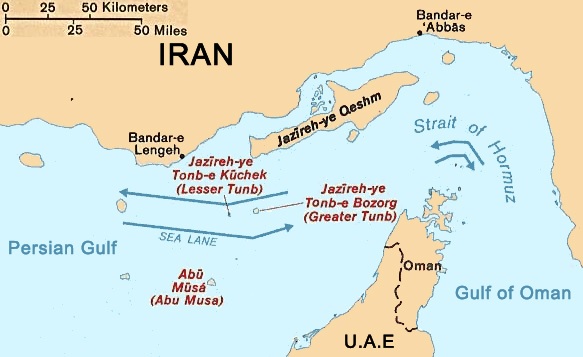
- Whether the conflict widens through proxies or transport chokepoints: RUSI's March 2026 framing suggests the broader regional threat picture matters as much as the direct exchange itself. (RUSI, March 2026)
- Whether diplomacy returns with inspection-linked terms: Grossi's June 2025 board statement shows that diplomacy and verification remain tied together rather than belonging to separate tracks. (IAEA Board statement)
Related Coverage
- Why Did Israel Attack Iran? Nuclear Threats, Failed Diplomacy and the Full Breakdown
- Israel Iran Ceasefire: Terms, Timeline and What Comes Next
- Iran Strike Timeline: June 2025 to February 2026
- Iran Missile Range Map: What the Ranges Mean
- Uranium Enrichment Levels and Breakout Time Explained
Research Hubs
- Iran-Israel-Dubai War Guide
- Iran Nuclear and Military Briefing
- Israel Security and Escalation Briefing
- Dubai and UAE Risk Briefing
- Source Center: Primary References
Sources
- IAEA. "Introductory statement to the Board of Governors" (June 9, 2025). iaea.org
- IAEA. "NPT Safeguards Agreement with the Islamic Republic of Iran" (GOV/2025/25). iaea.org PDF
- IAEA. "Statement to the UN Security Council" (June 20, 2025). iaea.org
- RAND. "The Israel-Iran Detente Won't Last" (January 26, 2026). rand.org
- RUSI. "Why Israel and Iran had Decided to Avoid a Long War" (July 7, 2025). rusi.org
- RUSI. "Roaring Lion: Why Israel Attacked Iran and What Followed" (March 3, 2026). rusi.org
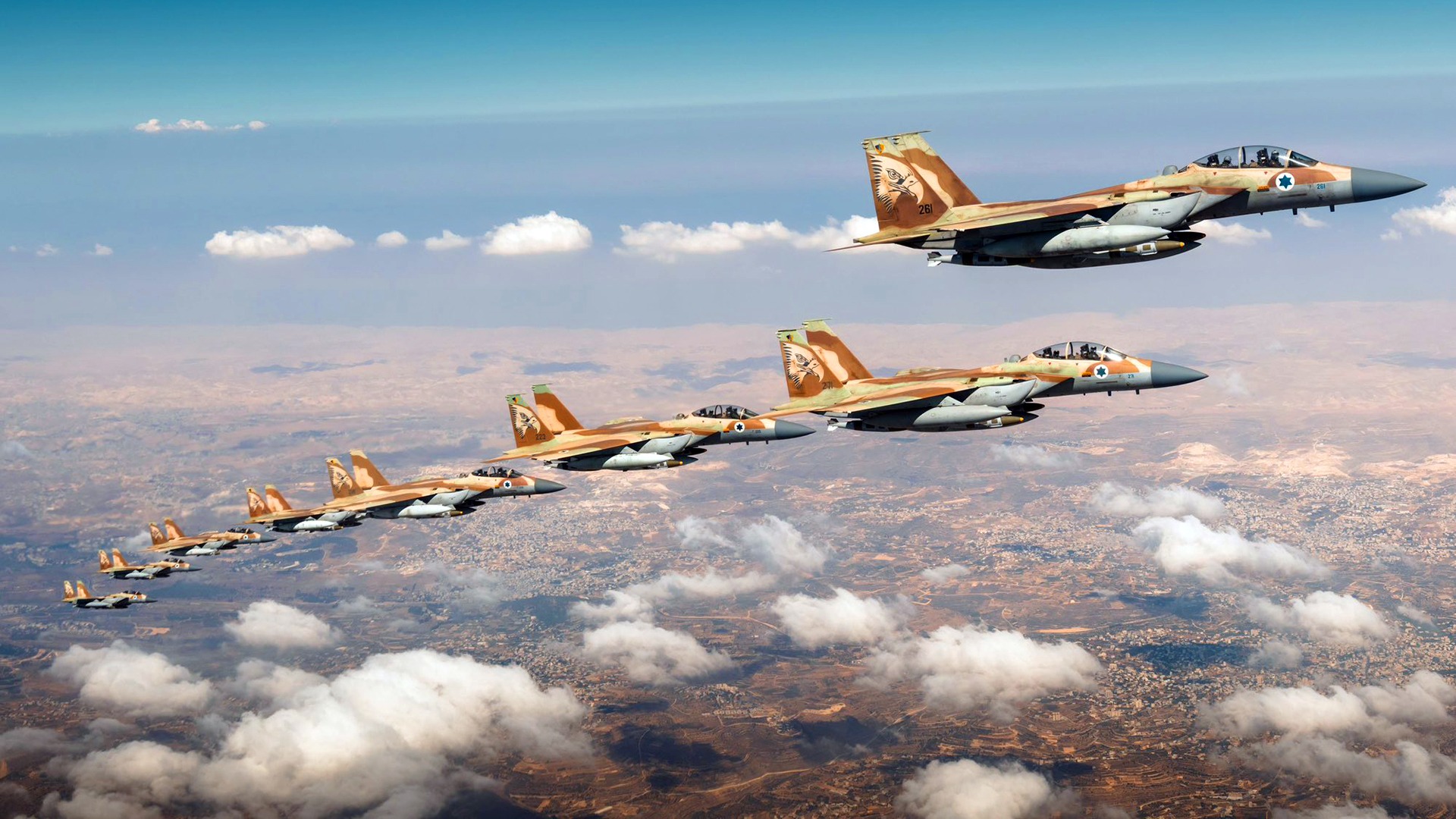
- Wikimedia Commons file: Israeli Air Force fighter jets image (CC BY-SA 3.0). commons.wikimedia.org
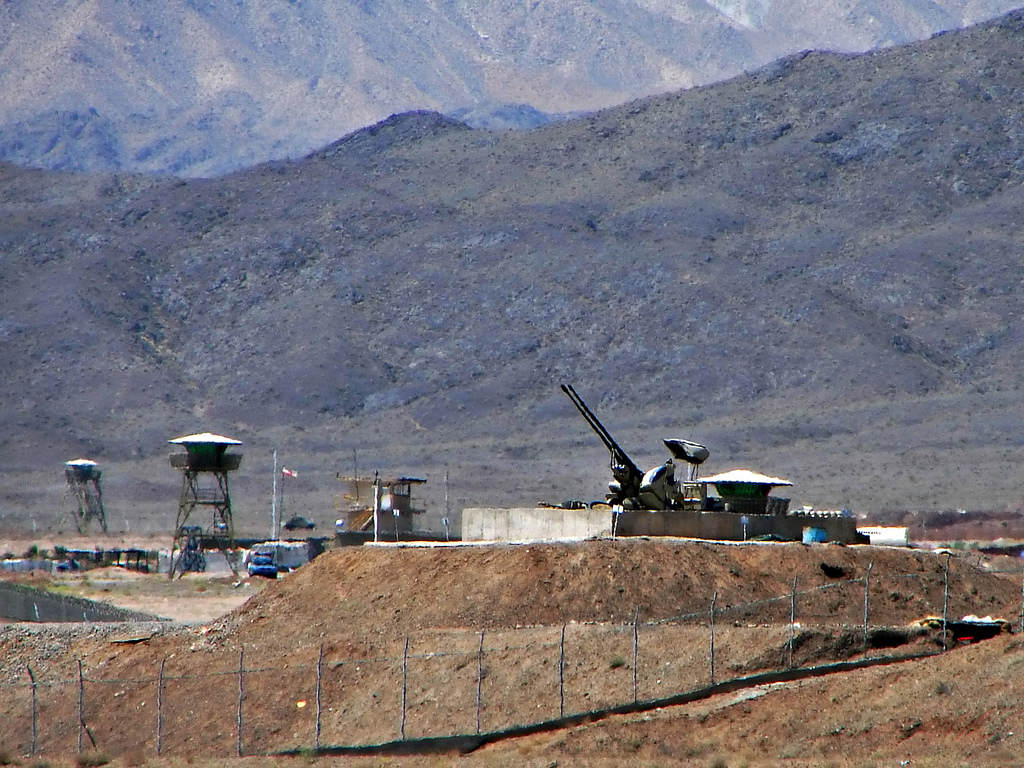
- Wikimedia Commons file: Natanz nuclear image (CC BY 2.0). commons.wikimedia.org
- Wikimedia Commons file: Strait of Hormuz map (Public Domain). commons.wikimedia.org