Overview: what named reporting said about Tehran and Beirut
Named reporting on March 4 described new Israeli strikes in Tehran and Beirut as the conflict widened beyond a single Iran-focused air campaign. The strongest public record supports simultaneous strikes in Iran and Lebanon, a growing Hezbollah dimension, and broader Gulf spillover.
What is less settled is the most dramatic accounting that appeared in live coverage: exact aircraft totals, exact bomb counts, exact casualty subcounts, and the idea that the full strategic outcome was already obvious by day five. This revision keeps the existence of the strikes and the widening regional footprint in view while treating the most specific battlefield claims more cautiously.
Tehran strikes: what was reported
Named reporting described a large Israeli strike wave around Tehran and other sites linked to Iranian military infrastructure. Reports consistently pointed to activity around Tehran as well as sites connected to missile or command functions, even if exact target lists and exact strike effects varied across outlets.
Public reporting also described degraded Iranian air defenses and a reported aerial loss during the strike window, but those details were more uneven than the basic fact of a substantial strike wave. This page now treats exact jet counts, exact bomb totals, and exact destruction tallies as provisional rather than settled.

What mattered strategically was the pattern: Israeli and U.S.-aligned reporting described sustained pressure on Iranian command, missile, and air-defense networks. That broader pattern is clearer than any single first-day number or battlefield claim.
Beirut and Lebanon: widening second front
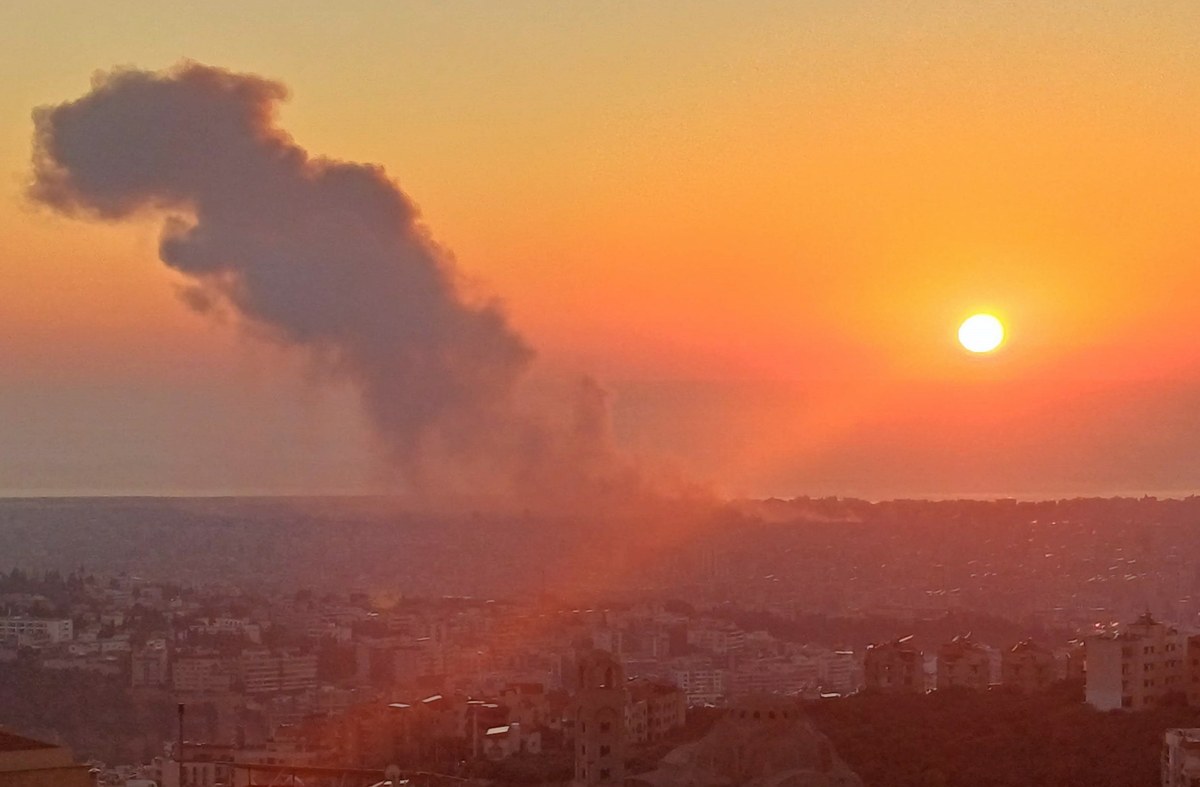
Named reporting also described new strikes in Beirut and elsewhere in Lebanon, reinforcing the sense that Hezbollah-linked targets were being treated as part of the same escalation cycle. The broad fact of a second-front dynamic was well supported, even if incident-by-incident casualty and targeting details varied.
Public reporting pointed to hits in Beirut's southern suburbs and other locations in Lebanon, as well as a reported killing of Hezbollah intelligence figure Hussein Makled. Those reports matter because they show the conflict widening geographically, but the page is now more careful about presenting every site description or casualty subcount as equally confirmed.
Likewise, the humanitarian picture in Lebanon was clearly deteriorating, with many reports describing large-scale displacement and mounting casualties. The exact counts should still be read as moving wartime figures, not final audits.
Regional retaliation and Gulf spillover
Iranian retaliation reporting described a wider Gulf footprint involving diplomatic sites, energy infrastructure, drones, missiles, and pressure on shipping. The strongest conclusion is that regional spillover was real and that Hormuz-related disruption had become a central market and security concern.
What is less certain is the exact ledger of every drone, missile, interception, and site hit across the Gulf. This page now treats those figures as live-reporting claims rather than a settled operational map.
Named reporting also described at least one Mediterranean intercept tied to Turkiye and wider air-defense activity in neighboring states. Those reports suggested a broader conflict envelope, but not every alliance-level implication was settled at the time.
Official statements and rhetoric
U.S. and Israeli officials framed the operation in maximal terms, describing it as a success and emphasizing pressure on Iranian military capacity. Those statements are important as evidence of official intent and messaging, but they are not the same thing as independent damage verification.
This revision therefore keeps official rhetoric in the story while being more careful about adopting battlefield success language, leadership-loss claims, or regime-collapse conclusions as established fact.
Senate War Powers Vote
Named reporting said the Senate rejected a war powers resolution on a reported 47-53 vote, underscoring that the domestic U.S. debate was intensifying even as the strikes widened. The durable takeaway is political: congressional and public pressure over authorization and escalation risk was growing.
That debate matters because it shapes how long a sustained campaign can continue without clearer legal and strategic justification. It is more useful than treating the vote as a full referendum on the war's merits or likely duration.
Humanitarian picture
The humanitarian picture was clearly worsening across Iran, Lebanon, and parts of the Gulf. Named reporting described a reported Iranian death toll above 1,045, a severe civilian-casualty incident at a school in Minab, mounting Lebanese casualties and displacement, and American evacuation efforts from the region.
Those developments are important, but the exact casualty subcounts in fast-moving conflict reporting should be treated cautiously. This includes the Minab school figure, exact Lebanon tallies, and exact U.S. casualty reporting tied to specific incidents unless those numbers stabilize across multiple named sources.
Public reporting also described infrastructure disruption, power shortages, and continuing evacuation strain. The broader conclusion is clear even where the exact figures remain fluid: the civilian and regional cost of the campaign was rising quickly.

Diplomatic fallout
Named reporting described widening divergence among U.S. allies and partners over the legality, wisdom, and endgame of the strikes. The broad diplomatic picture was one of strain: some governments emphasized de-escalation, some backed the operation more openly, and some tried to do both at once.
That matters more than any single day's rhetoric. The key question was whether diplomatic openings, including reported back-channel contacts, would remain viable as battlefield claims and humanitarian costs mounted.
Economic and shipping spillover
Public reporting described severe shipping disruption in the Strait of Hormuz and sharp stress in oil and gas markets. The strongest conclusion is not one precise traffic percentage, but that commercial movement, insurance costs, and energy expectations were being hit by the conflict.
Reports of force majeure declarations, suspended Gulf bookings, and halted or reduced flows underscore how quickly military escalation can spill into trade and energy systems. Exact traffic and output figures should still be read as live-reporting estimates, not final market audits.
What Can Be Verified So Far
This page is strongest when it separates direct reporting from inference.
- Directly supported: named reporting described new Israeli strikes in Tehran and Beirut, a widening Lebanon front, Senate war-powers debate in Washington, and significant market stress tied to Hormuz.
- Supported but still fluid: exact jet and bomb counts, exact casualty totals, exact displacement figures, and exact ledgers of sites hit across Iran, Lebanon, and the Gulf.
- More interpretive than proven: claims that the strategic outcome was already settled by day five, that every reported target effect was independently verified, or that every official success claim reflected a complete public damage assessment.
What's Next
The next phase depended less on headline volume than on evidence quality. The biggest questions were whether casualty figures stabilized, whether Lebanon and Gulf spillover kept widening, and whether political and diplomatic channels could slow the escalation cycle.
Three issues remained central: whether reported succession and leadership claims inside Iran solidified, whether shipping disruption in Hormuz became durable, and whether the Washington debate over authorization materially constrained the campaign.
Related Coverage
- Iran live news: reported death toll and regional escalation on March 4, 2026
- Hezbollah, Houthis and Iran's Proxy Network Explained
- Operation Epic Fury Explained: US Military Strategy in Iran
- Iran Retaliation: Which US Bases Have Been Targeted?
- Strait of Hormuz Shipping Risk Scenarios
- Iran Confirms: Supreme Leader Khamenei Is Dead
- War Powers Resolution: Iran Strikes and Congress
- Iran Civilian Casualties and the Humanitarian Crisis
Research Hubs
- Iran-Israel-Dubai War Guide
- Iran Nuclear and Military Briefing
- Israel Security and Escalation Briefing
- Dubai and UAE Risk Briefing
- Source Center: Primary References
Sources
- NBC News live blog, "Live updates: Iran Supreme Leader, Gulf attacks, Israel, Tehran, Trump" (March 4–5, 2026). nbcnews.com
- CBS News live updates, "Hegseth says US 'just getting started' in Iran war as conflict intensifies and spreads" (March 4, 2026). cbsnews.com
- CNN live news, "Israel launches new strikes in Tehran and Beirut as conflict widens in Middle East" (March 4, 2026). cnn.com
- BBC News live blog, "Israel launches fresh strikes on Tehran and Beirut" (March 4–5, 2026). bbc.com
- Al Jazeera, "Israeli forces bomb hotel in Beirut, residential building in Lebanon's east" (March 4, 2026). aljazeera.com
- Al Jazeera live blog, "Iran live news: Bombing rages, Senate fails to curb Trump war powers" (March 4, 2026). aljazeera.com
- Euronews, "US-Israeli strikes hit Beirut and Tehran as Trump set to defend Iran war in Congress" (March 4, 2026). euronews.com
- NPR, "Israel launches new strikes in Tehran as public farewell for Khamenei begins" (March 4, 2026). npr.org
- UN News, "Middle East LIVE: Conflict continues across region amid US, Israeli and Iranian strikes" (March 2026). news.un.org
- Washington Post, "4 US soldiers killed in Iran conflict identified; 3 US embassies close amid air strikes" (March 3, 2026). washingtonpost.com
- Hezbollah Headquarter Airstrike 2024 image. Wikimedia Commons, CC BY-SA 4.0. commons.wikimedia.org